Trekking in Tibet: Best Routes and Tips for Trekkers

Trekking in Tibet: Best Routes and Tips for Trekkers
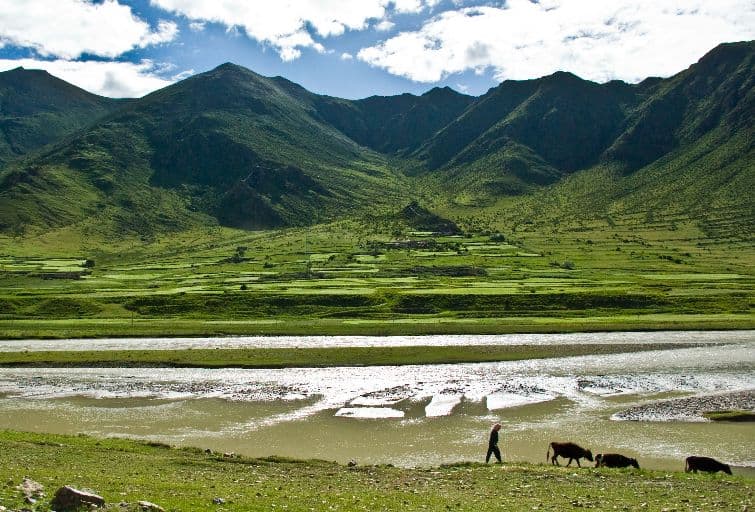
The trekking experience in Tibet stands out from others in the world. The beautiful, vast lands, together with amazing mountain peaks. It offers quiet views that create this magical experience.
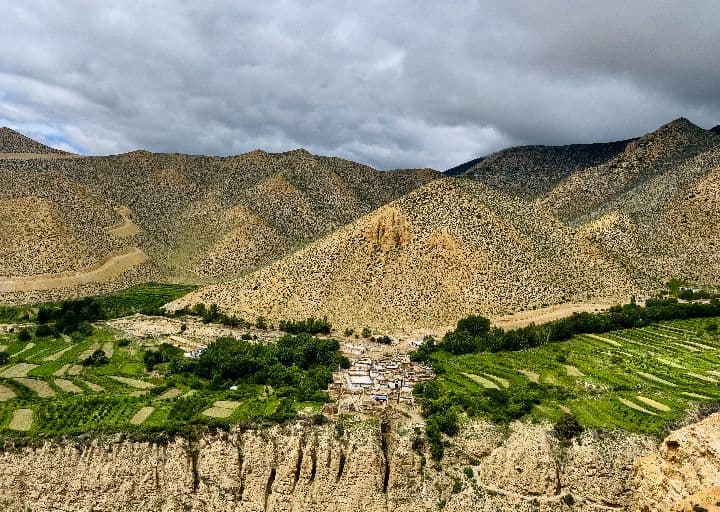
Walking into these silent valleys will provide an encounter with friendly village people. You witness ancient traditions that remain unaltered through time.
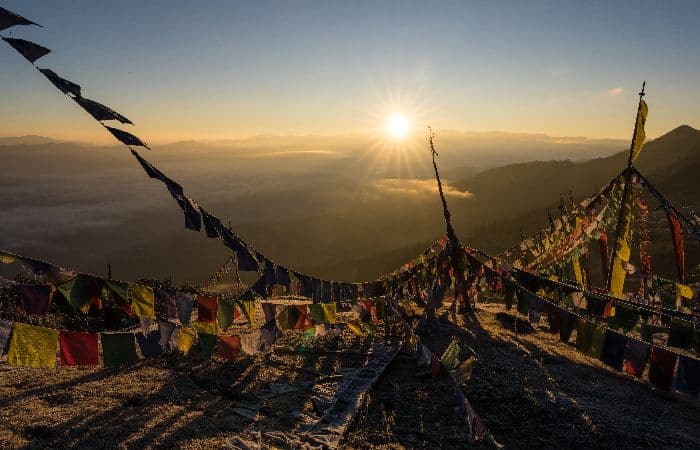
These timeless views feature snow-covered peaks. You will walk past waving prayer flags and historic temples. This will continue to remain in your memory forever. Walking throughout Tibet is a spiritual feeling.
Trekking in Tibet provides an opportunity beyond physical exploration. It is because it is a spiritual path. Trekking in Tibet creates an exceptional and memorable adventure. And it's all thanks to its one-of-a-kind characteristics.
Best Time to Go Trekking in Tibet
People should schedule their Tibet trekking adventure between April and October. It is when the weather conditions allow for the best visit.

Tibet gets its best weather conditions between April and October. It offers a perfect view of beautiful mountain panoramas under clear blue skies.
The spring months span from April through early June in Tibet. It brings gentle climate conditions while wildflowers start to blossom throughout the valleys.
Eastern Tibet experiences high temperatures along with rain during July and August. Most of the trekking trails maintain their suitability for hikers.
September and October collectively are an ideal period to visit Tibet. The dry air conditions allow you to experience pristine views of mountain peaks. You can gain a clear view of the snow-covered tops.
Travelers must bring sufficient warm clothing. The nighttime temperatures tend to drop steeply at elevated altitudes.
The cold winter temperatures between November and March make trekking difficult. The trail closures are frequent, so this period proves unfavorable for hiking activities.
You should plan the visit during the months to experience the most comfort. Planning also gives you safety while enjoying your trek.
Top Trekking Routes in Tibet
Our list contains a selection of outstanding trekking routes. They stand out as the prime choice in Tibet.
1. Mount Kailash Trek
Religious trekkers consider the Mount Kailash Trek as one of the holiest pilgrimages. The Kora trail encircles Mount Kailash. It contains cosmic significance as the axis mundi for the following:
Hinduism
Buddhism
Jainism
Bon followers,
The Mount Kailash Trek travels a total distance of 52 kilometers. It leads hikers into areas exceeding 5,600 meters in elevation through the Dolma La Pass.
During your walk, you can observe believers making full circles. Also, many devotees operate prayer wheels while performing religious chants.
The natural environment consists of arid valleys, rocky hills, and snow-covered mountains. If you visit here, you will find compelling spiritual energy.
People elect to journey through this area. They seek a transformative experience as well as thrilling activities. During the period between May and October, you should be prepared for the altitude. Acclimatization will determine your success at this adventure.
The demanding walk becomes worthwhile due to inner tranquility. The journey offers breathtaking views.
2. Ganden to Samye Trek
People consider the Ganden to Samye Trek as Tibet's most sought-after hiking trail. Ganden Monastery is a significant Buddhist site that connects to Samye Monastery. It represents the initial Buddhist monastery in Tibet.

The full distance of the Ganden to Samye Trek is 80 kilometers, which takes an average of 4 to 5 days to complete. Throughout your journey, you traverse from alpine forests to pretty meadows. You then ascend past high mountain passes before visiting peaceful villages.
The Ganden to Samye Trek offers a perfect combination of cultural and natural beauty. The trek combines peaceful valleys and meeting with local people. It gives you access to religious sites that maintain a historic Buddhist connection.
The trekker should visit from May to October. It is during this period delivers clear weather conditions are delivered.
Intermediate walking capabilities are required during this journey. Proper trekking skills and strong health levels make the experience much more enjoyable.
3. Everest Base Camp Trek (Tibet Side)
The Everest Base Camp through Tibet experience gives a different experience. Travelers gain an entirely distinct perspective when they approach it from Nepal.

Traveling from the Tibetan side results in fewer crowds. It offers expansive sights of Everest's northern face.
Starting from Old Tingri. People progress to Rongbuk Monastery before reaching the base camp. The duration of the journey takes 4 to 6 days based on individual walking speed.
The Everest Base Camp stands as the main attraction of the trek. It gives travelers an intimate experience with the planet's tallest mountain. The Rongbuk Monastery stands as the highest religious institution in the world.
The scenic beauty meets peaceful nature in the grand Himalayas' silent environment. A favorable timeframe for undertaking this trek is between April and October. Nicely elevated terrain needs proper acclimatization, together with preparation to be safe.
4. Tsurphu to the Yangpachen Trek
A light 3 to 4 day journey leads travelers through central Tibet from Tsurphu to Yangpachen. The journey takes you from Tsurphu to the main monastery of Karma Kagyu Buddhism. It leads to the thermal waters in Yangpachen.

The trek combines cultural exploration with breathtaking sights. It is a journey that will suit anyone looking for this combination.
Passing through two main attractions. It offers wide valleys along with distant nomad camps and grassy meadows. This will be your experience on this route. You will see Tibetan herders observing yaks. Find them doing their thing in the elevated plains.
The elevation of 5,100 meters remains above climbing altitude requirements. It makes acclimatization necessary for this trek route.
Trekkers find the highlight of their journey in experiencing the natural hot springs. It is at Yangpachen as they conclude their walking adventure.
The trekking route offers moderate difficulty along with shorter distances. The accommodations are time-limited and for inexperienced high-altitude hikers.
The most optimal time for visiting this destination is from late spring to early fall.
5. Shalu to Nartang Trek
The Shalu to Nartang trek offers a Tibetan cultural and historical experience. It is an excellent choice for a short duration.
The trek spans 2 to 3 days to follow the 40-kilometer route. The journey begins at Shalu Monastery. It features Chinese and Tibetan architectural styles before concluding at Nartang Monastery. It maintains the status of the oldest Tibetan printing center.

During this Shalu to Nartang Trek, you can see small villages and dry mountain passes. It offers a beautiful view of hills combined with agricultural fields.
The route provides unique views of traditional Tibetan rural culture. Here, everyday inhabitants maintain their ancestral way of life.
Starting from Shalu Monastery, you will hike down a path suitable for beginners. Or it could be for people who need to keep their time usable. This path provides an untroubled experience since it receives minimal tourist traffic.
May through October provides the optimal timeframe to visit Tibet. The season offers an experiences mild, dry weather conditions.
6. Nyenchen Tanglha Trek
Those seeking pristine views find the Nyenchen Tanglha Trek as their perfect choice. This trek leads travellers through the trails around the Nyenchen Tanglha range. It represents Tibet's most elevated mountain territory.

The travel path extends from Damxung to Namtso Lake for six to seven days. Adventure seekers can find all peak experiences on this trek. Yes, including snowcapped mountains, alpine meadows, high glacial rivers, and elevated mountain passes.
You will find Tibetan nomads along with their sheep. Yaks walk together along this path. The adventure reaches its maximum elevation above 5000 meters. Hikers need to prepare properly and have appropriate acclimatization skills.
Namtso Lake is one of the most visually stunning high-altitude lakes in the entire world. The panoramic view of turquoise waters and mountains creates an astonishing scene.
Travelers should choose the period from June to September. The weather remains stable at that time.
Nyenchen Tanglha has lower fame than Kailash or Everest. It is an optimal destination for people desiring natural serenity and individual seclusion.
7. Lhasa to Yamdrok Trek
Those looking for cultural experiences can find them on the Lhasa to Yamdrok Lake trek. The trek, beginning near Lhasa, passes through Tibet with beautiful landscapes. And later arrive at Yamdrok Lake within the trio of Tibet’s holy lakes.

The journey length for this trek spans between four and five days. Well, according to selected routes. The path includes small villages combined with rolling hills and grasslands. Here, travellers can find animals grazing. You will see impressive views of the lake while crossing over high mountain passes.
The deep blue appearance of Yamdrok Lake and quiet ambience make for a flawless trip. This trek suits those who wish to experience a mellow trek. You can experience a combination of spiritual and picturesque moments.
The route requires preparatory adaptation. There is no elevated difficulty in reaching its high elevations. May through October marks the optimal period to visit this area. The lake and surrounding landscapes achieve their most beautiful appearance.
What to Pack for a Trek in Tibet?
Backpack (Comfortable and durable)
Trekking Boots (Waterproof and broken-in)
Trekking poles provide both stability and support as trekking equipment.
A suitable sleeping bag serves the needs of cold conditions.
Clothing:
Moisture-wicking base layers
Insulating mid-layers
Waterproof and windproof jacket
Fleece or down jacket
Quick-drying pants and shorts
Hat, gloves, and scarf
Sun hat or cap
Sun Protection:
Sunscreen (High SPF)
Lip balm with SPF
Sunglasses (UV protection)
Water Bottle or Hydration System
Snacks (Energy bars, nuts, etc.)
Headlamp or Flashlight (With extra batteries)
First-Aid Kit (Including altitude sickness medication)
Personal Toiletries (Toothbrush, toothpaste, hand sanitizer, etc.)
Camera or Smartphone (For photos)
Power Bank (For charging electronics)
Travel documents include passports and permits, together with photocopies of both.
Money (Local currency, credit cards, or cash)
Tissue Paper or Wet Wipes
Multi-tool (For minor repairs)
Plastic Bags (For trash or wet clothes)
Personal Identification and Emergency Contacts
Permits and Regulations for Trekking in Tibet
Trekking in Tibet demands special permission from the government. It determines the necessary rules for visitors.
Tibet prohibits the sole travel of foreign nationals. No independent travel exists in Tibet. As such, you need to select a tour with a permitted travel agency and always stay with a locally guided tour.
Your necessary first document for Tibet travel must be the Tibet Travel Permit. You can get it through the Tibet Tourism Bureau. It is for visitors who want to visit Lhasa or most areas designated for tourists.
Travelers visiting restricted areas, western as well as border regions, require additional permits. Namely, the Alien’s Travel Permit and Military Permit. Yes, including Mount Kailash and Everest Base Camp, the Tibet side.
The travel agency you have chosen will prepare these documents for you. Solo travel is prohibited. As such, authorities check permits at various checkpoints throughout the region.
Tibetan visitors need to keep their valid Chinese visa on hand. Since Tibet operates under the Chinese national identity. During your trek through Tibet, follow local guidelines. Respecting Tibetan cultural practices.
Tips for First-Time Trekkers in Tibet
The trekking adventure in Tibet demands advanced preparation. Especially when you have no previous trekking experience. The following recommendations will help you experience a safe and pleasant trekking adventure:
1. Acclimatize Properly
Most trekking activities in the Tibetan highlands are above 4,000 meters. Tibet is famous for its extreme elevation. The dangers of altitude sickness demand proper physical adaptation time.
You should stay in Lhasa for two or three days to adapt to the high altitude. All before starting your trek through the Tibetan terrain.
Drinking enough water. Also, staying away from alcohol intake remains essential during this process. Here's what you need to keep an eye out for:
Dizziness
Nausea,
Breathlessness,
You should inform your guide immediately.
2. Adhere to the Local Cultural Norms as well as honor regional Traditions
Travelers visiting Tibet need to honor both the local historical background. Likewise, respect traditional customs in the region. Before taking any photos, you must obtain permission. Especially when the subjects are both monks and religious ceremonial participants.
The practice of monastic circumambulation should be done in a clockwise direction. It is because it shows respect for local traditions.
A way to honor local people is to greet them with Tashi Delek and a friendly smile. Similarly, no physical contact with religious statues or sacred objects.
3. Stay Hydrated and Eat Well
Keep yourself hydrated! It helps both physical adjustment to altitude and energy conservation.
A water bottle should go with you everywhere you go! You need to drink fluids frequently, regardless of your thirst signals.
Snacks based on energy bars, nuts, and dried fruits should be included in your hiking supplies. Food availability is restricted in distant regions.
Local dishes such as roasted barley flour and dumplings are nutritious. But consume them slowly to prevent gastrointestinal problems.
4. Travel with a Licensed Guide
All foreign travelers in Tibet need to follow strict regulations. The best way is to keep a licensed guide beyond linking up with a tour group.
Going on a trip with a guide provides you with essential trail support. It is enlightening knowledge about Tibetan cultural and historical details.
A licensed guide aids in handling emergencies. Derive your security from following all guidelines supplied by your guide.
5. Respect the Environment
Natural scenery stands out as the central reason tourists visit Tibet for trekking. Visitors must leave no physical marks on the route. They must also maintain an environmentally conscious habit of not littering.
It is essential to carry all your waste materials. Such as toilet paper and food packaging. All before placing them in the appropriate disposal containers.
Pay attention to the vulnerable natural surroundings and wildlife. Avoid any disruption to animals or plants.
6. Prepare for Limited Facilities
Travelers wanting to trek in Tibet should expect a scarcity of modern conveniences. The available accommodations during your visit will consist of monasteries or guesthouses. They provide minimal amenities.
The facilities could include no hot water service, coupled with sparse electricity availability.
Handling the conditions requires both mental readiness and enthusiasm for your adventure. The basic life experienced in isolated areas makes trekking in Tibet so appealing.
7. Know Your Limits
The trekkers face Tibetan high-altitude terrain. They can expect their ventures to reach challenging physical limits.
Beginners should choose an accessible trek. It develops stamina, which will help them advance to greater trekking challenges.
Pay attention to your physical condition. Overexerting yourself will harm your experience. Appoint your guide whenever you start to experience health problems.
8. Stay Connected
Trekkers need to carry satellite phones and other emergency communication devices. Any movement through the sparsely connected regions of Tibet is for safety purposes.
You should provide your relatives or close friends with your travel plans. Yes, it includes return dates for emergency preparedness.
9. Understand the Permits Process
To trek in Tibet, visitors need to obtain special permits. It must be arranged through licensed agencies before the travel date.
The permit process for restricted Tibetan areas. Yes, including Mount Kailash and Everest Base Camp. It takes some time before obtaining approval.
The trekking agency will help you with the documentation. You need to provide all required paperwork ahead of your departure.
Altitude Sickness During Tibetan Travel
Tibetan terrain leads to exposure at high altitudes. It generates risks of developing altitude sickness. Managing air thinness and lower oxygen levels at high elevations is hard. As such, it can lead to altitude sickness.
The first signs of altitude sickness are headaches. Then followed by nausea and dizziness. Together with fatigue that grows more severe. Proper acclimatization stands as the primary method for preventing altitude sickness.
You should trek to a moderate altitude location in Lhasa for several days. Trekking here helps your body become accustomed to the change.
The ascent process should be steady because quick ascents increase your risk exposure.
Consume 3-4 liters of water daily. Have small, frequent meals. This enables your body to adapt better to altitude conditions.
Keep moving upward only when your symptoms disappear or do not worsen. Descend immediately if symptoms worsen, and rest becomes vital.
Take Diamox (acetazolamide) when you need it. But only use it in extreme cases. Portions of trekking routes provide emergency portable oxygen tanks.
The best solution in this situation involves descending to a lower elevation. You can descend if your symptoms remain unchanged.
Your safety requires that you inform your guide when experiencing sickness. You should always listen to your body's signals.
Cultural Etiquette While Trekking in Tibet
A basic need for anyone trekking in Tibet is to observe the local culture and traditions. Buddhism remains the core foundation of Tibetan culture. It influences how locals behave with others. It also influences how people should act at religious sites.
When interacting with people in Tibet, showing respect is essential. You can do it by polite hellos or use the phrase "Tashi Delek."
Religious sites require visitors to remove their shoes before entering through the door. When exploring religious sites, you must walk in a clockwise direction. It represents a significant cultural practice.
Under Tibetan customs, you must honor things through prayers. You walk around stupas and use prayer wheels.
Commit to taking photos with caution, particularly of individuals. Taking a photo without permission could be seen as unacceptable behaviour.
Pointing at people and sacred objects with your feet should be avoided. It is to prevent being considered rude and disrespectful.
When walking through villages, be cautious about local customs. Avoid touching religious statues or prayer flags. Do not disturb rituals or religious ceremonies.
Respecting cultural etiquette shows your understanding and value for Tibetan culture. It allows you to maintain the region's integrity while trekking.
Accommodation and Food During the Trekking in Tibet
The lodging facilities in Tibet provide comfortable and basic accommodations. They are particularly comfortable in remote areas.
The trekking routes allow visitors to stay in basic guesthouses or homestays. These accommodations are where hikers rest after completing a strenuous journey.
The shared rooms in these guesthouses offer basic amenities. They consist of beds, blankets, and heating systems. Nighttime temperatures often reach very cold levels.
Travelers must stay in both monasteries and rustic huts throughout certain regions. These accommodations feature basic facilities, including restricted or absent bathrooms.
Basic living facilities produce a one-of-a-kind opportunity to discover Tibetan traditions and traditions. Take your own sleeping bag because it will create extra comfort and protect you from the cold.
Basic Food Fuels You in High Tibet Altitude
When following trekking routes through Tibet, you will discover basic but energy-packed meals. They help people sustain themselves during demanding weather conditions.
Local people consume Tsampa (roasted barley flour) as their staple food. It is served together with butter tea, which consists of tea, butter, and salt.
Guesthouses typically serve Momos (dumplings), noodles, and rice dishes. Rice comes together with vegetables that come from local farming areas. The menus of guesthouses include dishes of meat such as yak or goat. But also provide vegetarian selections.
Food preservation in remote trekking areas can get tricky. Take portable energy bars, dried fruits, and nuts to maintain your energy. It becomes an emergency supply between your meals.
You must exercise food safety by consuming only boiled or bottled water. Contaminated water causes stomach problems.
Safety Tips for Trekking in Remote Areas of Tibet
The remote trekking areas of Tibet require special preparation. They consist of challenging terrain combined with high-altitude environments.
Before starting any journey, you must make proper arrangements to maintain safety throughout. You must never trek independently. It is essential to work together with a licensed guide in a team.
Traveling alone in isolated areas of Tibet is dangerous. Due to the high risk of getting lost. Likewise, medical emergencies occur, and you lack backup assistance.
Select a guide who understands the trail. Also, being available to help with medical emergencies. They need to help with altitude sickness and other potential incidents.
Verify permit regulations and local government requirements by contacting local authorities. These consent and law codes differ by geographic region.
Before your journey, keep a detailed map with you along with GPS navigation equipment. Inform one person about your schedule and expected return date.
People trekking in the elevated areas of Tibet must focus on acclimatization. Altitude sickness poses a severe problem.
You must immediately drop to a lower elevation. Consult a medical expert whenever you experience altitude sickness symptoms.
When trekking, you must always have a first aid kit. It must contain medicine for frequent trekking discomfort. It can also have altitude sickness treatments, anti-diarrhea drugs, and pain killers.
Bring sufficient water and high-energy food with you. Both dehydration and fatigue may increase health problems.
The last extremely important step is to monitor weather reports. You can prepare properly for abnormal temperature swings or storm situations.
Travelers should prepare their outfits with protective wear. They need multiple layers of clothing when traveling to Tibet. Severe climate changes have become common at high elevations.
Photography Tips for Your Tibet Trekking Adventure
A Tibet trekking expedition allows you to capture beautiful views of landscapes alongside cultural heritage through photo-taking opportunities.
The lighting conditions during golden hour make the perfect setting to photograph mountains and monasteries because the sun creates both deep shadows and gentle illumination of the surroundings.
As a sign of cultural respect, you should request permission from locals you want to photograph. Spiritual sites, along with rituals, should remain off-limits to photography unless local permission is obtained because unauthorized photos may cause disrespect.
Photographers should concentrate on showing the difference between the Tibetan plateaus' immense size and snow-capped mountains, in addition to Tibetan religious buildings.
Protection from dust and moisture requires you to safeguard your camera gear while also preparing extra batteries due to short battery life from cold temperatures and watching the altitude levels, and weather conditions.
Close the portraits of people since they define Tibetan culture, yet approach them respectfully while respecting their privacy.
Tips to Stay Connected in Tibet
Trekking through Tibet presents a difficult challenge for staying linked up because the remote areas exist at high elevations.
Cellphone reception in Tibet becomes scarce between major settlements such as Lhasa and Shigatse until it reduces to limited strength in sparsely populated districts.
Satellite phone systems operate reliably when you need to communicate while on trekking adventures, since many trekking operators give their customers access to emergency satellite phones.
Guest houses together with trekking lodges occasionally provide Wi-Fi connections and internet services to their guests, although the network speed levels are often inconsistent.
Portable power banks act as a necessity when trekking since you will encounter few charging possibilities, particularly on extended routes.
The best practice for safety requires you to share your travel plans with someone at home and establish an emergency contact based in Tibet.
Conclusion: Why Tibet Should Be on Your Trekking List
Tibet is the perfect place for trekking because it presents incredible physical beauty alongside traditional cultural sites and spiritual, mystical requirements.
Tibet provides travelers with more than mere physical exploits because it takes them into the core region of Earth's most secluded sacred landscape.
Exploring Tibet through trekking provides visitors with the chance to find Tibetan culture directly and explore its historic temples in addition to discovering unplanned passes that only limited individuals have experienced.
Tibet provides adventure seekers and those desiring spiritual experiences, as well as educational travel opportunities for an authentic tour unlike anything else people may have encountered in the world.
FAQs
1. Do I need a guide for trekking in Tibet?
Trekking in Tibet needs an official guide because independent hiking is forbidden throughout most of the Tibetan territory. Having a guide guarantees you access to permits and safety measures in addition to local knowledge, so you can experience the journey at its best.
2. Is it safe to trek in Tibet?
The activities are usually secure for Tibet, but climbers need to pay attention to the potential dangers caused by elevated altitudes.
Safe trekking into the high Tibetan altitudes requires appropriate acclimatization training and adherence to security protocols to prevent altitude sickness symptoms. The safety benefits of trekking with someone who guides increase the preference for tour groups.
3. How difficult are the treks in Tibet?
Visitors face significant trekking difficulties in Tibet because of its elevated altitude along with steep elevation, and distant locations. Tibet has various trekking paths with different difficulty levels, so anyone from new to experienced hikers can select the appropriate one.
4. Do I need special permits to trek in Tibet?
Visitors must obtain two essential permits for Tibet trekking, which include the Tibet Travel Permit together with the trekking permit from the correct authorities. Authorized travel agencies handle the organization process to obtain these trekking permits.
5. What kind of accommodation can I expect while trekking in Tibet?
The available accommodation for trekking in Tibet includes basic campsites in addition to guesthouses and monasteries, based on the specific path chosen.
Basic facilities formed by simple comfort standards are available for trekkers, particularly when they reach remote sections.
6. Can I rent gear for trekking in Tibet?
Travelers visiting Tibet can secure rental services for trekking equipment that includes warm sleeping bags and trekking poles, and additional necessary items.
You should bring your own equipment whenever possible, yet renting equipment functions as a viable solution when you lack items for trekking in Tibet.
Read more blogs