Himlung Expedition
Share with your friends
Trip Information

Duration
28 days

Max Altitude
7126

Difficulty
Difficult

Starts from
Kathmandu

Trips Ends at
Kathmandu

Activity



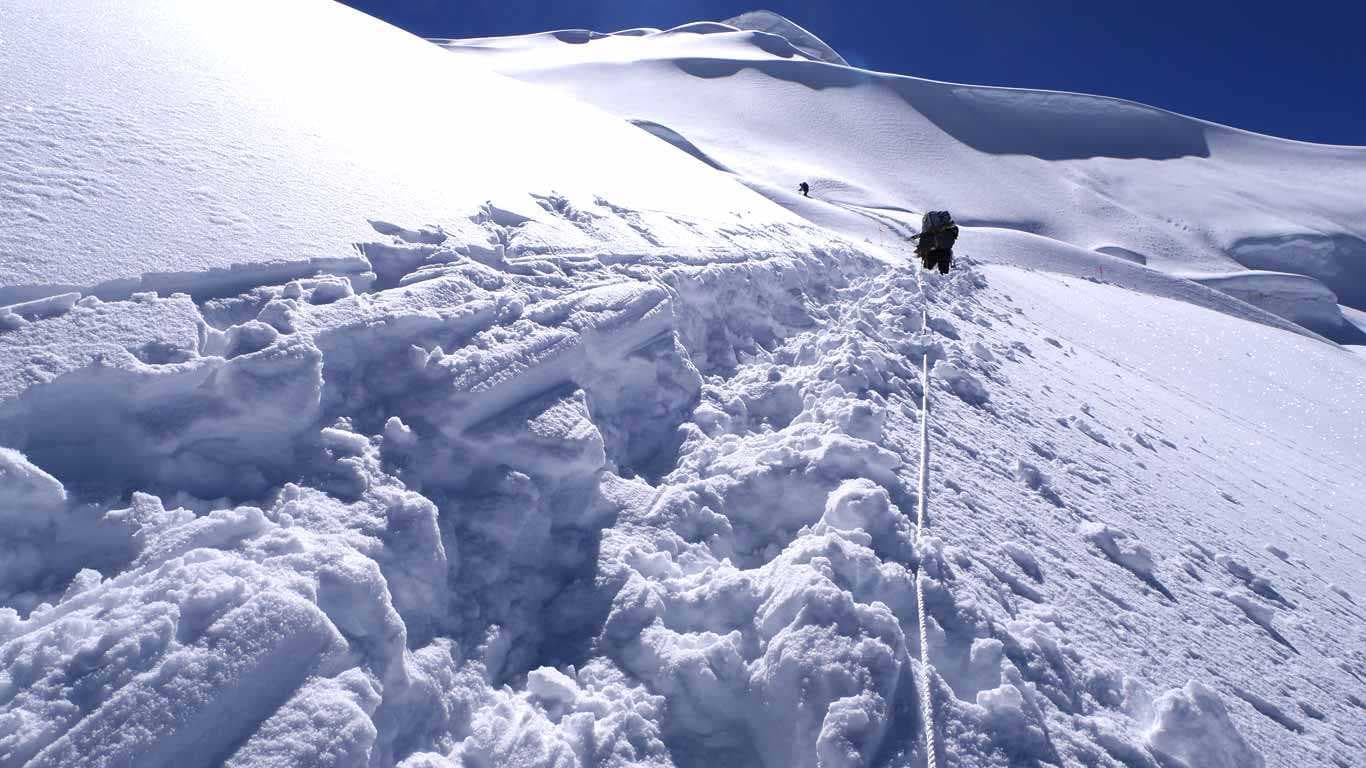
Summit Mt. Himlung (7,126m): Conquer this majestic peak, experiencing the thrill of high-altitude climbing.
Explore Nar & Phu Villages: Trek through remote, picturesque villages rich in ancient Tibetan culture.
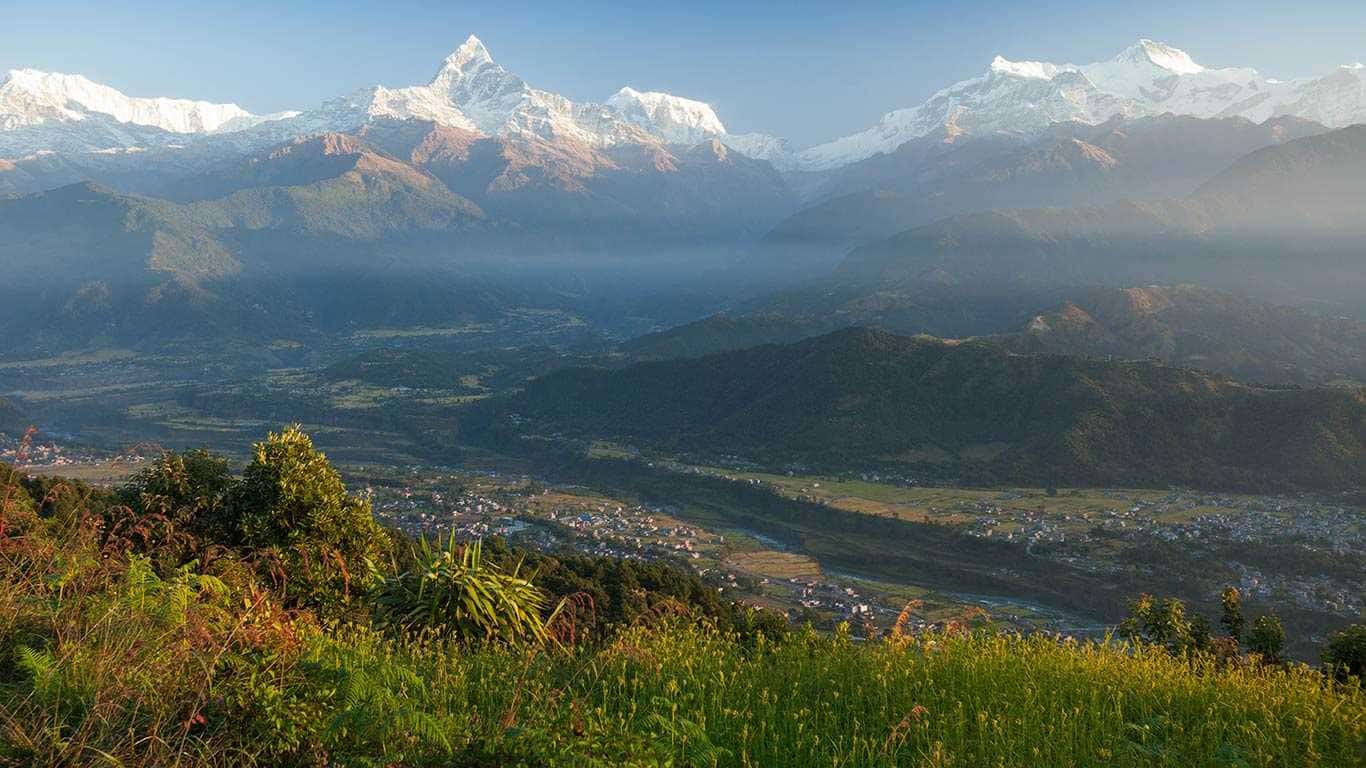
Stunning Himalayan Views: Marvel at breathtaking vistas of Annapurna, Dhaulagiri, and dramatic valleys.
Immerse in Nepali Culture: Experience local traditions and gain a deeper appreciation for their way of life.
Physical & Mental Challenge: Navigate rugged terrain and high-altitude conditions, pushing your limits.
Team Bonding: Build lasting memories and connections with your team and support staff.
Self-Discovery: Embark on a transformative journey, achieving an incredible feat of endurance and resilience.
Himlung Expedition Overview
Nepal, situated in the heart of the majestic Himalayas, is a paradise for adventure seekers. Among its many peaks, Himlung Himal (7,126m) stands tall as one of the awe-inspiring and lesser-known summits in the Manaslu region northeast of the Annapurna range. The Himlung Expedition in Nepal offers a once-in-a-lifetime opportunity to embark on an epic journey through rugged terrain, dense forests, and remote villages, all leading up to the summit of this majestic mountain.
The expedition will begin in the vibrant city of Kathmandu, where you'll have the chance to explore the rich cultural heritage of Nepal. Along the way, you'll pass through traditional villages and ancient monasteries, soaking up the local culture and immersing yourself in the region's natural beauty. As you make your way toward the base camp, you'll gradually acclimatize to the high altitude, preparing yourself for the ultimate challenge of reaching the summit of Himlung Peak. En route, expert guides and support staff will accompany you to ensure your safety. They will also provide invaluable knowledge and support throughout the journey.
Moreover, Himlung Peak climbing is a moderate climb for a mountain above 7000 meters. However, it is crucial to be physically and mentally fit and prepared to face trekking at a high altitude. But the rewards of climbing are immeasurable. From the summit, you can witness marvelous mountain views of the Annapurna and Dhaulagiri ranges and other Himalayan peaks. This Himlung Expedition is an unforgettable experience that will stay with you for the rest of your life.
Major Highlights During Himlung Expedition
- Summit the majestic Mt. Himlung, standing tall at 7,126m above sea level.
- Trek through remote and picturesque villages like Nar and Phu, where ancient Tibetan culture still thrives.
- Marvel at stunning Himalayan vistas, including Annapurna and Dhaulagiri Mountain ranges and dramatic valleys.
- Experience the rich Nepali culture and gain a deeper appreciation for their way of life.
- Challenge yourself physically and mentally while navigating rugged terrain and high-altitude conditions.
- Create memories and bonds with your team and support staff that will last a lifetime.
- Embark on a journey of self-discovery as you push yourself beyond your limits and achieve an incredible feat.
A Typical Day During Himlung Expedition
- A typical day during the Himlung Expedition may vary depending on the stage of the climb, but generally, it follows a similar routine:
- Wake up early, around 5-6 am, and have breakfast.
- Start the day's trek or climb, ranging from a few hours to a full day, depending on the distance and altitude gain.
- Take frequent breaks for snacks and water to catch your breath as you acclimate to the altitude.
- Arrive at the campsite or tea house in the afternoon or early evening, where you'll rest and have dinner.
- Spend the evening socializing with your climbing team, reviewing the next day's plan, and preparing your gear for the climb.
- Go to bed early, around 8-9 pm, to ensure you get enough rest for the next day's challenge.
During the acclimatization phase, rest days are essential to help you adjust to the altitude and avoid altitude sickness. On summit day, the routine may be different, with an early start in the middle of the night to reach the summit before the weather deteriorates. Overall, a typical day during the Himlung Expedition is physically demanding but rewarding, with gorgeous views and a great sense of accomplishment as you progress toward the summit.
Itinerary Detail
What is Included / Not Included
- Arrival& Departure Transfer as per Itinerary
- Standard Twin/Double Sharing Accommodations in Kathmandu
- Daily Breakfast in Kathmandu
- Guided Sightseeing in Kathmandu
- Heritage & monuments Entrance fees as per Itinerary
- Himlung Expedition Fees/Royalty
- All Necessary Paperworks and Documentation
- Other Necessary Entrance Permit and Documantation
- Private Transfer to Besisahar and Return to Kathmandu
- Expedition Sherpa Porters & mulesas per needs
- Expedition Sherp Guide
- Daily Meals- Breakfast Lunch & Dinner During the trip
- Drinking Water/Hot Drinksas per Need during the trip
- Common/Fixed Expedition Gears
- Twin Sharing Tented Room During the Trip
- Nepal GOvernment Liason Officer ( Mandatory)
- Medical Equipments and Necessary Medicines
- Emergency Oxygen Bottles, Mask & regulator at ABC( Use & Pay)
- Satellite Phone on Pay Call
- Generator/Solar Panel for Power and Charging Purpose
- Rescue and Medical Evacusion Arrangement for Incase of Needs
- Nar and Phu Permits
- Welcome/Farewell Dinner
- Service charge for Trip Arrangments
- All Taxes
Accommodation during Himlung Expedition
During the Himlung Expedition, accommodation varied depending on the location and altitude of the trek. Here's a breakdown:
Kathmandu
You could find various accommodation options for all budgets and facilities. There is the availability of a wide variety, from budget guesthouses and hostels to luxurious five-star hotels.
During the Trek to Himlung Base Camp
Accommodation during the trek will be in teahouses or lodges in the villages along the way. These basic teahouses are clean and comfortable, with attached bathrooms in most of the places and shared in a few.
At Himlung Base Camp
Accommodation will be in tents set up by the support crew. Each tent can accommodate two people and will have a foam mattress, sleeping bag, and pillow. The tents are safe and provide you with adequate heating with the help of good-quality sleeping bags.
During the Climb
Accommodation will be in high-altitude tents designed to withstand harsh weather conditions. These tents are much more essential than the tents at the base camp and will only have room for one person.
It's important to note that while the accommodations are essential, the support staff works hard to ensure that they are clean and comfortable. Additionally, the marvelous mountain views and unique cultural experiences make up for any lack of luxury.
Meals during the Himlung Expedition
In Kathmandu, many restaurants and cafes cater to different tastes and budgets. Visitors can choose from local Nepali cuisine, international dishes, or a fusion of both. Meals for vegetarians and vegans are also available.
Typical meals provided by teahouses during the trekking portion of the expedition include porridge, eggs, bread, pancakes, fruits, and tea or coffee for breakfast. For lunch and dinner, typical Nepalese dishes such as dal bhat (lentil soup with rice and vegetables) and momo (dumplings) will be served, along with pasta, noodles, potatoes, and some Indian as well as continental cuisine.
During the climbing portion of the expedition, meals will be more basic and consist of high-energy foods such as porridge, oatmeal, energy bars, and canned fruits and vegetables. You can also carry snacks and drinks to maintain energy levels during the climb.
Drinking water during Himlung Expedition
In the lower regions, bottled mineral water, natural Himalayan Spring water, and boiled and filtered spring water are available. However, once you move forward with the trek, only boiled and filtered spring water and natural spring water from the rivers, taps, and streams can be found. The travelers could purchase boiled and filtered water from the locals at a minimal price or they could carry chlorine drops and UV water purifiers and purify the water themselves.
During the expedition, the options for drinking water were limited to natural spring water present in a frozen state. Our crew members will melt the ice by boiling it at a certain temperature that kills any bacteria present and will again filter the water following the proper procedure. This method is completely safe.
Likewise, we suggest travelers carry a non-plastic water bottle and purchase the water from the locals in the available places as it helps in maintaining sustainability, and eco-tourism and also promotes local income generation.