
Everest High Passes Trek
Share with your friends
Trip Information

Duration
21 days

Max Altitude
5545

Difficulty
Difficult

Starts from
Kathmandu

Trips Ends at
Kathmandu

Activity
Trekking


Conquer Three Epic High Passes – Challenge yourself by crossing Kongma La (5,535m), Cho La (5,420m), and Renjo La (5,360m), each offering breathtaking panoramic views of the Everest region.
Unparalleled Himalayan Vistas – Witness Mt. Everest (8,848m), Lhotse, Nuptse, Ama Dablam, Makalu, and Cho Oyu from multiple vantage points, including the legendary Gokyo Ri and Kala Patthar.
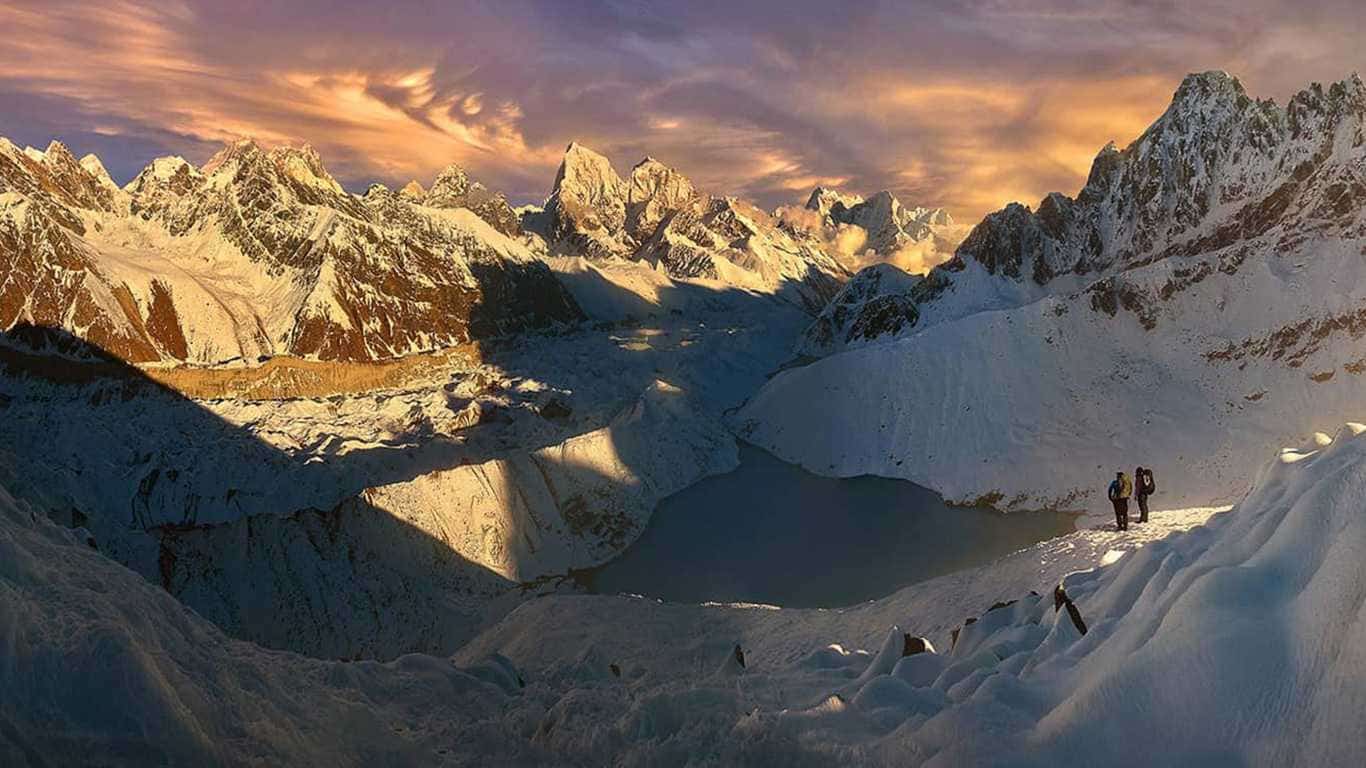
Explore Gokyo Lakes & Everest Base Camp – Marvel at the mesmerizing turquoise glacial lakes of Gokyo and stand at the base of the world’s highest mountain, Everest Base Camp (5,364m).
Immersive Sherpa Culture & Monasteries – Experience the warm hospitality of the Sherpa people, visit the ancient Tengboche Monastery, and explore traditional Himalayan villages like Namche Bazaar, Dingboche, and Thame.
Thrilling Adventure with Varied Landscapes – Trek through lush valleys, high-altitude glaciers, rugged mountain trails, and remote alpine wilderness, offering the ultimate adventure for seasoned trekkers.
Everest High Passes Trek Overview
Everest High Passes Trek is a popular trekking route in the Himalayas among adventure lovers who strive to escape into the isolated Everest region. This trek is also popularly known as the Everest Three Passes Trek as it includes the trek across three high passes named Kongma La Pass (5535 m), Cho La Pass (5300 m), and Renjo La Pass (5340m).
This 21-day adventurous journey is ideal for those adventure seekers wanting to experience trekking to the high Himalayas, routing through isolated valleys, traditional communities, and vast landscapes.
In addition to taking the trekkers through the scenic and challenging passes, the route also follows Everest Base Camp and includes exciting hikes to the popular viewpoints of the region, such as Kala Patthar, Chhukung Ri, and Gokyo Ri. The Khumbu Glacier, which is the largest glacier, the Ngozumpa Glacier, which is the longest glacier in Nepal, and the serene Gokyo Lakes add more challenges as well as excitement to this trek.
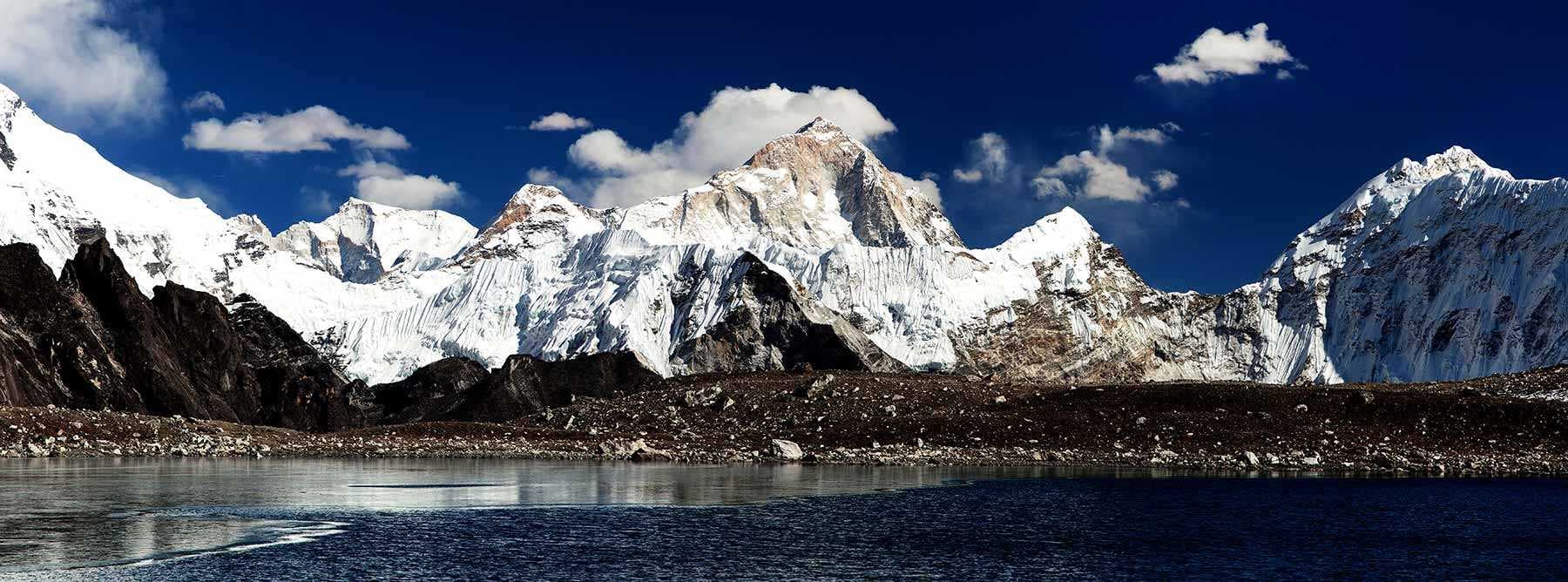
The entire route, day-end destinations, the passes, and the viewpoints all offer an amazing view of Mount Everest (8848 m), Mount Ama Dablam (6812 m), Mount Lhotse (8516 m), Mount Nuptse (7861 m), Mount Cholatse (6440 m), Mount Makalu (8485) and many other Everest Region’s Himalayas.
Besides trekking to this high rugged landscape of the High Passes, you get to explore the culture & traditions of the Sherpas as the trail passes through Phakding, Namche Bazaar, Tengboche, Dingboche, Lobuche, Gorakshep, Dzongla, and many others. Additionally, you will get to spend two nights in the lovely Gokyo Valley and stand by the immaculate Gokyo Lakes.
The trek starts from Lukla and goes up through Namche Bazar and to the base camp; this part is also included in the usual Everest Base Camp trek. However, the difference is made by the main attractions in this unique trek in Nepal - the three passes, which are all more than 5000 m high.
After this extremely adventurous trek, the route leads back to Lukla for the scenic short flight back to Kathmandu. The trek allows travelers to explore the Everest region to the fullest. You get to experience and witness everything the Khumbu region has to offer.
You Might Be Interested In:
Everest Luxury Lodge Trek 14 Days.
Everest High Passes Trek Highlights
Great opportunity to cross the three high passes of the Khumbu region in one journey
A journey to the Everest Base Camp through a unique path, unlike the usual one
Explore the famous Gokyo Village and Gokyo Lakes
Exciting day hikes to the popular and scenic viewpoints of Everest, such as Kalapatthar, Chhukung Ri & Gokyo Ri Peaks
Traverse past dozens of Sherpa Villages with a distinct culture
Stunning mountain views and the Khumbu glacier
Get a glimpse of the entire Khumbu region
Discover Nepal’s largest Khumbu and the longest Ngozumpa glaciers, respectively
Get insight into the distinct Tibetan Buddhism, the unique Sherpa culture, tradition, and lifestyle
Savor the delicious local cuisine and hospitality
Trekking inside the UNESCO-listed Sagarmatha National Park
Encounter the rare flora and fauna of Sagarmatha National Park
Experience one of the least-traveled routes in the famous Everest Region
Everest High Passes Trek Difficulty
Everest High Passes Trek, which is also known as Everest Three Passes Trek, is considered one of the most difficult treks in the Himalayas with many technical climbs. It includes crossing the three high passes above 5000 meters, and side trips to Everest Base Camp, Kala Patthar, Chhukung Ri, and Gokyo Ri.
On average, trekkers must walk 5-7 hours every day for 17 days on rocky ridges, glacial plains, snowy regions, and difficult terrain with steep ascents and descents. As a result, the more physically fit you are and mentally determined, the more pleasant and pleasurable the trek will be. So, we suggest the trekkers engage in cardio workout routines, backpack hikes, yoga, and meditation, and maintain their diet months before this journey.
Acute Mountain Sickness (AMS), also called altitude sickness, is one of the major challenges during high-altitude journeys. So, there are chances of being a victim of AMS during the Everest High Passes Trek. Acclimatization plays the biggest role in avoiding mountain sickness.
Hence, we have designed an itinerary that includes plenty of required days and hikes for acclimatization purposes. Likewise, keeping yourself hydrated is one of the major preventions. Carrying some altitude sickness medicines, such as Diamox, will also be helpful. And, we always suggest you inform your guide immediately if you see any symptoms.
The extreme weather conditions and temperature can also make your journey more difficult. The weather in high altitudes is unpredictable, but there are times when you can make the trek successful without many hurdles. So, when considering doing the Everest High Passes Trek, make yourself learn about the weather conditions and the best time for the trek.
Best Time to do the Everest High Passes Trek
The optimum seasons for the Everest Three Passes Trek are spring (March to May) and autumn (September to November). The skies are clear, the weather is the most consistent, temperatures are pleasant, and the views are the most beautiful during these seasons.
Everest High Passes Trek in spring
During spring, the route offers breathtaking vistas of ice-capped mountains, vibrant hills, and vast Himalayan pastures. Rhododendrons and other spring flowers are in full bloom in the lower areas, enhancing the beauty of the surroundings.
There will be endless views of snow-covered mountain ranges above Namche Bazaar because the Himalayan region experiences considerable snowfall in the winter. The days are sunny, warm, bright, and longer, which is ideal for trekking.
Everest High Passes Trek in autumn
Autumn has an open and clear blue sky with bright and sunny days. The trekking routes grow drier after the wet monsoon, and the weather stabilizes. The hills appear lush and green, and the mountains show their best faces after the drenching monsoon season.
The temperature is often around 20 degrees Celsius during the day and as low as 5 degrees Celsius at night, below 3500 meters altitude. But in the higher region, the day temperature can reach 20 °C, and night can drop below the freezing point.
Everest High Passes Trek in Monsoon
Similar to other treks in the Himalayas, for the Everest Three Passes Trek, the months of monsoon (June to August) are regarded as off-peak times. During these months, the weather is tough, and the trekking trails become muddy and hazardous due to excessive rainfall. In addition, landslides and river floods could obstruct hiking trails. Our trekking adventure is further made unpleasant by bugs like leeches.
Everest High Passes Trek in winter
The winter months of December, January, and February are another off-season period. The temperature is very dry, harsh, and unpleasant to trek in. In addition, heavy snowfall during the winter can cause a lot of disruptions.
Similarly, due to the bitter cold, teahouses and lodges at higher elevations may close. Also, the passes are filled with a height of snow, making the trek unsuccessful.
Permits to do the Everest High Passes Trek
Everest High Passes Trek requires the following permits:
1. Sagarmatha National Park Fee
2. Khumbu Pasang Lhamu Municipality Permit
Note: Both of these permits are included in the Himalayan Trekkers’ Everest High Passes Trek Package.
Itinerary Detail
What is Included / Not Included
All Arrival/Departure transfers on a private vehicle
3* standard category hotel accommodations on a twin/double sharing basis in Kathmandu
Guided heritage sightseeing in Kathmandu with all entrance fees
Domestic Airfare (Kathmandu – Lukla – Kathmandu)
Best Available teahouse/lodge accommodations during the trek
All meals (breakfast, lunch, & dinner with tea/coffee, and snacks) during the trek
An experienced mountain guide and the required number of Sherpa porters
All wages, allowances, insurance, medical, and equipment for the support crew
Sagarmatha National Park permit
Trekkers' Information Management System (TIMS)
All ground transfers as per the itinerary
A comprehensive medical kit
Welcome/Farewell Dinner with a cultural show as per the itinerary
All applicable government taxes
Accommodations During the Everest High Passes Trek
Himalayan Trekkers includes 3-star standard category accommodations on a twin/double sharing basis in Kathmandu in the package. However, Kathmandu has many accommodation options from hostels to heritage hotels. So, if you want to make changes in services, we can manage it, and the cost will be calculated accordingly.
Once you start the Everest High Passes Trek, you will be offered the best available teahouses/lodges/guesthouses for night stays. Please note that the services in the high-altitude regions are always limited. Your room will be on a twin-sharing basis with basic furniture.
You may get a private bathroom, hot shower, Electricity, electric blankets, and WI-FI services in places like Lukla, Phakding, and Namche Bazaar. You can opt. for a luxurious stay in these places at an additional cost. But, beyond that, the services are very basic, where you have to share the bathroom with others, pay for your hot bucket water shower, and sit under solar-powered lights.
Meals During the Everest High Passes Trek
Nutritional food is the fuel for trekkers on long and strenuous journeys. You will get to choose anything from traditional, regional, or national, and a few western cuisines during your Everest Three Passes Trek. The menus are wide till Namche Bazaar, but as we ascend to higher altitudes, the cuisine selection will get more constrained.
All three meals (breakfast, lunch, and dinner) will be provided by Himalayan Trekkers. You will be served breakfast and dinner at the teahouse where you spend the night, and lunch at the teahouse en route to the next destination. Sometimes, lunch will be on a packed basis in the absence of teahouses on the way.
In addition, we also include breakfasts during your stay in Kathmandu in this package. Lunch and dinners are excluded because Kathmandu has the widest range of options for dining in the whole country. But we can recommend the eateries once we learn your preferences.
Drinking Water during the Everest High Passes Trek
Trekking requires constant hydration to avoid high-altitude sickness. As a result, we suggest that you consume at least 3 liters of water daily while walking.
You can purchase bottled water at the teahouses or shops along the route. However, the price tag for a bottle of water in the Himalayan region can prevent you from buying it.
So, the best option is to carry your portable water bottle to refill it with boiled water at the teahouses. Some teahouses might refill it for free, while some expect some cash in return.
You can also refill your bottles with natural spring water or village tap water as much as you want. They are free of cost, but not safe to drink directly. You have to purify it with purification tablets.
Dobrinka
Dong Kim