Backpacking in Nepal: Tips for Budget Travelers

Backpacking in Nepal
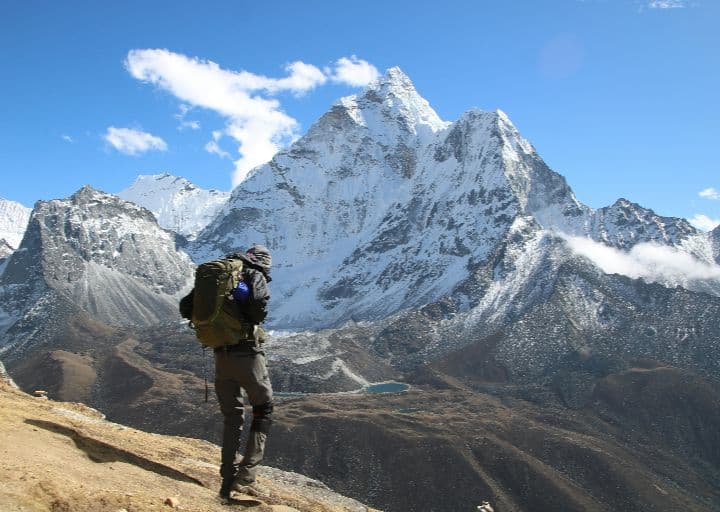
Nepal trekking is an excellent experience! It is full of natural beauty, rich in cultural heritage, and adventure. Many tourists come because of the famous mountains in Nepal. Yes, including the Annapurna Circuit, Langtang Valley, and the Everest Base Camp trek.
In trekking Nepal, it's not about the view, but communicating with nature. Walk through peaceful forests. See people living the everyday life across the mountain villages. The rich culture of the people here touches and adds so much to this hospitable interaction.
Besides trekking, the country has some interesting places of historical and cultural interest. More so, in cities such as Kathmandu, Bhaktapur, and Patan. It is here that you find ancient temples, magnificent monasteries, and UNESCO-listed places. They denote the beauty of Nepalese culture and traditions.
Accommodations, along with transport, are affordable. And the local food is mouth-watering, such as momos and dal bhat. Market walking and tasting these foods gives a real feel of daily life and the diverse culture of Nepal. Nepal is just perfect for backpackers who want an economical trip. Look forward to making friends with the people and having time-worthy memories.
Besides trekking, rafting, paragliding, and safaris, Nepal offers other fun activities. Through local guides and tour services, planning your trip and new adventures is easy. All you have to do is firm them within your budget.
Nepal offers friendly locals, great scenery, and budget options. As such, this country can easily be called one of the top destinations in the world for backpacking.
Basic budget for Backpacking in Nepal ($15 - $25 per day)
Backpackers in Nepal on super tight budgets love how budget-friendly Nepal can be. It is easy to get by on US$15 to US$25 a day if you keep to basic accommodations, simple meals, and local transport.

On a trek, you can expect to pay US$5 or US$10 a night for a room in a hostel or teahouse. Food is equally affordable. Staple meals of dal bhat, noodles, or momos generally cost between US$5 and US$10 for two or three meals a day.
For getting around, the best options are by local bus, which costs a few dollars. You can also save money by exploring temples, local markets, and taking in city sights on your own.
Most of these are free or low-entry-fee experiences. If you don't mind basic amenities, this is a great option to experience Nepal. This is a simple and authentic way to experience the Himalayan country.
Moderate budget backpacking journey in Nepal (from $25-50 per day):
For additional comfort, at the moderate level, one can estimate the budget to range from $25 to $50 per day. With this amount, travellers can afford private rooms in guesthouses. Yes, even enjoy slightly better meals and add more activities.
This brings the accommodation cost to an average of $10-20 per night for a private room. You can stay in either a guesthouse or an upgraded teahouse on trekking trails.
Food expenses remain rather affordable. At about $10 to $15 a day, you can try the local food as well as some Western dishes. This budget also frees you up, transport-wise, to travel on local buses but take the odd taxi if required.
It also allows for entry fees to cultural sites, shorter guided tours, or other activities. These can cost between $5 and $10. This budget is ideal if you want more private and somewhat comfortable conditions. Moreover, you can go backpacking without costing the earth.
Comfortable Backpacking Budget in Nepal ($50+ per day):
On a more relaxed budget, go from $50 or more per day. The range widens, but includes upgraded accommodations, varied dining, and extended activities. You will now be able to afford hotel rooms or private guesthouses with better amenities.
Price is usually in the range of USD 20-30 per night. Food, at a cost of $15-20, enables you to eat a mix of upscale local meals and Western dishes.
You can also use private taxis to get around and even take domestic flights for long journeys. You can participate in guided treks in this budget. Or you can take up adventure sports. Go for paragliding or even bungee jumping. Finally, there are cultural activities. You can also expect to pay around $15 or more per activity.
This budget works great for those who want comfort in their journey. You can access unique experiences and extra convenience during your stay in Nepal.
Hostels and Guesthouses
The best accommodation for backpackers in Nepal is hostels and guesthouses. They provide economical stays that are reasonably comfortable and companionable. Most of these hotels are in Kathmandu, Pokhara, and Lukla. Some are shared rooms with common facilities such as bathrooms, lockers, and WiFi.
They are perfect for meeting other travellers. Thanks to shared communal areas, you can socialize with other trekkers. Guesthouses are available in the most isolated mountain villages in Nepal. They give the possibility of choosing between dorms and private rooms.
Perfect for low-budget travelers who only need a clean and safe place to stay. It offers a warm, friendly atmosphere, which is a bonus.
Camping vs Tea Houses
Trekking in Nepal offers travelers two options for accommodation. You can camp or stay at a tea house on the trails. Camping is the best way if complete exposure to nature is being looked for. This lets travelers sleep under the stars and enjoy remote locations. However, camping requires you to bring your gear into the base of the mountains or hire porters. This, of course, makes it pricier and inconvenient.
The other one is tea houses, which are traditional lodges. You can find it along famous trek routes. You can find tea houses in the Everest Base Camp and the Annapurna Circuit.
It would be easier and cost less for trekkers to offer basic rooms with warm meals in a cozy atmosphere. Tea houses offer a rather easier way to see the local culture and hospitality than setting up camp.
They have become popular among backpackers in Neapl. It's perfect for those wanting a simpler, more connected experience with locals.
Transportation in Nepal
There are many ways to travel in Nepal. Some are affordable, but uncomfortable. Likewise, others are costly, yet comfortable. Let's take a look at transport options in Nepal.
Local Buses and Minivans
Local buses and minivans are the cheapest option found in Nepal. Likewise, they are the most available form of transportation to get around Nepal. It's best for low-budget backpacking in Nepal.
 Local buses ply almost everywhere in the country. You can find them from major cities and towns down to the most remote villages. While the fares are super cheap, mostly below $5.00 for one ride, the buses are always packed to full capacity.
Minivans are another popular option. Minivans are best for shorter journeys or on routes where buses can't go. They are slightly quicker than local buses but usually a bit more expensive. The fare for it often ranges from $5 to $10 for midrange trips.
The seats of both options are often small. The rides may be on bumpy roads that are pretty rugged in Nepal. Nevertheless, both are good options to see Nepal the way locals do and save on travel costs.
Domestic Flights
Domestic flights are very convenient for travellers short on time. By air, you get comfortable and quick travel within Nepal. Domestic flights from Kathmandu to Lukla, Pokhara, or Jomsom save hours of travel time. Thus, they are the best option for trekkers and adventurers with a limited time.
 The flight from Kathmandu to Lukla, the entrance of the Everest region. For example, it takes around 30 minutes and costs some $180 to $200 one way. Likewise, flying into Pokhara will cost about $80 to $120. These domestic flights offer mesmerizing aerial views of mountains and valleys. And these unique views add to your holiday.
Note that flights to areas of high altitude or remoteness are weather-dependent. Thus, flight delays or cancellations. Domestic flights are more costly compared to other means of transport. They are rather convenient and well worth the comfort and time.
Renting Scooters or Motorcycles
Want to move around Nepal on your own time and on your own pace? Then renting should be perfect for you. Kathmandu and Pokhara offer scooter and bike rentals at incredibly cheap prices. Prices starting from $10 to $15 for a scooter and $20 to $30 for a Royal Enfield or other bikes.
Rates here can be negotiated, especially for long-term rentals. These are, therefore, very reasonable in the long run. You will be able to reach areas that would be less accessible.
What do you need to drive in Nepal?
To drive, you’ll need your home country's driver’s license. Along with that, you will need an International Driving Permit.
What's it like driving in Nepal?
Nepalese traffic is dense, and its cities, particularly Kathmandu, are difficult to navigate. The road conditions are very variable. The main road transport network is basic. Many of the roads in the mountains are poorly developed. The roads are gravel surfaces and steep gradients.
Daring travelers face the elusive roads of Nepal. This is a rather good way to organize your travel, being rather cheap and very versatile.
Adventure Trekking in Nepal: Motivated trekking routes
There are some long, hard campaigns. On the other hand, you can find comparatively easier short treks that are the most beautiful in the world. The Everest and Annapurna regions are among the most trekked by backpackers.
 The Everest Base Camp Trek takes between 12 and 14 days. Trekkers travel through cliffs and past Sherpa villages all the way to the base of Mount Everest. It's also one of the pretty high-altitude treks. In other words, expect some heavy work out while at the same time receiving the sweet fruits of your work.
Those seeking shorter options may consider the Langtang Valley Trek. The trek takes 8 to 10 days with breathtaking mountain scenery. It is a rich cultural component, and of moderate standard.
These kinds of treks are ideal for backpackers. It combines natural beauty with affordable lodging in tea houses along the routes. It makes sticking to the budget rather easy.
Costs and Permits for Treks
Backcountry travel in Nepal can be very budget-friendly. But still budget for trekking permits and fees, which vary by region. Trekkers need a TIMS card, which costs about $10 if you're trekking in a group and about $20 if trekking solo.
For the Annapurna Circuit, there is an added fee for the Conservation Area Permit at about $20. Everest trekkers must have a Sagarmatha National Park entry permit of around $30. Also, they need a local permit in Lukla for approximately $20. If you are trekking in the Langtang region, you will need a Langtang National Park permit. The national park permit costs about $30.
As for restricted areas, the permits for those may be expensive. Trekking in the Manaslu or Upper Mustang regions requires these permits. The usual price is in hundreds of dollars. But it is spent on the maintenance of the trails and/or on local conservation.
Budget-friendly routes of the Annapurna and Langtang cost around $50 to $70. It is with all the permits and fees. It enables you to enjoy the mountains at a cheap price.
Guides and Porters
Most routes are quite easy to follow. There are signs at most intersections allowing backpackers to make an independent trek. However, hiring a guide or a porter really adds to your experience and support.
 Guides cost from $25 to $40 per day, depending on experience and the difficulty of the trek. A guide provides detailed knowledge. Learn more about the trails, culture, and history that enrich the journey.
They can also be very helpful with route-finding. Guides are a wonderful escort for keeping you, particularly on more difficult trails. For the more budget-conscious backpacker, a porter usually costs about $15-25 per day.
It offers the backpacker a reasonable option for making the trek a bit more comfortable. Porters carry the heavy pack, allowing you to hike with just the daypack.
The practical value of guides and porters is enticing. Hiring helps local economies by offering job opportunities. Low-budget travellers sometimes can split their guide or porter with other trekkers. They are mandatory for safety or restricted reasons in high-altitude or restricted areas. This is mostly not the case in many regions.
Budget-friendly Local Cuisine
For backpackers, Nepal's local cuisine is delicious yet budget-friendly. Replete with filling meals to keep you going throughout the day. Dal Bhat is believed to be Nepal's national dish and is eaten everywhere in this country. It is rice, lentil soup, and vegetable curries. It often comes with pickles and sometimes yogurt.
 The best part? Many places offer free refills, making it a really filling option if you are on a shoestring budget. You can get dal bhat for $2 to $4 in local eateries, even in Kathmandu and Pokhara, which are the two major tourist cities.
Street food is also available, especially momos, or dumplings. Samosas, or fried pastry with potato filling, are less than a dollar per serving. Thukpa is another affordable and filling meal that is available in mountainous regions. This is a Tibetan noodle soup, which is great for keeping a person warm and energized at high altitude.
Most of the major cities have plenty of affordable eateries. Backpackers should not miss the local food stalls and markets. The much lower prices and quintessential Nepali flavors are key attractions.
These are affordable meals in Nepal. But more importantly, an excellent way to experience Nepal's varied food culture. It includes influences from neighbouring India, Tibet, and China. Sticking to the local cuisine rather than Western food also helps keep the costs down. Imported foods tend to be more expensive in Nepal.
Eating on the Trails
In Nepal, the trails are fully lined up with tea houses. They offer affordable and satisfactory meals. Each tea house menu can be quite different. Normally, it includes a range of local options and some Western meals. You can find pasta and pancakes.
Dal Bhat is the most frequent meal along the trails and a trekker's favourite. It fills you up with energy and allows unlimited refills. The prices, as you ascend high in altitude, tend to rise accordingly. You will, on average, find dal bhat or other simple meals in the range of $4-$8 at the tea houses on the trail.
You can find other food options that are filling and inexpensive. Thukpa, fried rice, and Tibetan bread with honey to keep you warm. These meals will well-energize you during your trek.
It pays to budget a little more for meals on the trails. The prices rise with remoteness due to transportation challenges. Some backpackers save money by carrying energy bars, dried fruits, and other snacks. This supplement, tea house meals, and subtracts the overall costs. Generally speaking, eating at teahouses offers more than budget-friendly meals. It is also a time of rest and sharing meals with fellow trekkers.
Teahouses help in keeping the costs lower, along with a lesser environmental impact. Local dishes are easier to source ingredients for and help boost the economy.
Seasonal Factors to Consider by Backpackers
Whereas backpacking in Nepal itself might depend on the seasonal changes. Moreover, each season brings different weather, trails, crowds, and even different costs.
March to May and from September to November are considered the best times to go backpacking in Nepal. It's due to the mild temperatures, clear skies, and stunning visibility. Autumn and spring are great, especially in mountainous areas.

Autumn and Spring are ideal for trekking. It is for sightseeing around cities and cultural tours. And even exploring the heritage sites of Nepal. However, these are peak seasons, and one should expect more crowds. The accommodation prices might be a little higher than usual. You will find them in Kathmandu, Pokhara, and other main trekking areas.
High-altitude trekking is not very suitable during the monsoon season. It is still a good time to visit the lovely greenery of Nepal's southern regions and national parks. You can travel to Chitwan, where wildlife is very active and the landscape is vivid.
The monsoon season brings fewer tourists. As such, cities and villages are less crowded and more relaxed. Also, it is generally cheaper to stay anywhere in the monsoon season. It is great for the backpacker on a budget. However, road travel during this period is extremely difficult. The trails are in slippery conditions due to the rain.
Winter begins in December and lasts for up to February. Winter starts with heavy snowfall in higher elevations. So some of these trails might be blocked. Therefore, trekking would not be the most favorable option during this time. But for experienced trekkers wanting solitude on the trek, winter can be rewarding.
It goes without saying that in winter, the travelling costs are low for backpackers. It is important to pack warm clothes for winter treks. The temperatures plummet in high altitudes and rural areas.
Insurance Recommendations for Travel
Travel insurance for trekking in Nepal is necessary. The varied changes in topography and variable conditions can be dangerous. Good, reliable insurance would cover emergency medical and evacuation expenses. Many high-altitude treks result in altitude sickness or injuries. And they need immediate help.
It is recommended to get a policy that covers helicopter evacuation. It is quite common in Nepal's mountainous areas. The roads are scarce, and getting medical help can be quite a challenge.
Policies should also cover trip cancellations, delays, and lost or stolen items. Flights to regions such as Lukla see regular delays due to weather conditions. Many travelers also choose to add coverage for extreme activities. Trekking and climbing often get excluded from basic policies.
Companies that offer good options include World Nomads, SafetyWing, and InsureMyTrip. It is indispensable to ensure that the policy covers trekking above 3,000 meters. Most standard policies do not include it.
Respect For Local Customs And Traditions While Backpacking In Nepal
Dress modestly:
Remember that Nepalese culture is still conservative about modesty. So, it is better to avoid too revealing clothes. Dress accordingly, particularly when visiting temples and rural areas.
Take Off Shoes Before Entering Homes and Temples:
This is a very common practice in Nepal. Removing shoes before entering homes or religious sites is mandatory. Always look for shoe racks placed outside. It will give you an indication of where this is expected.
Give and Receive with Your Right Hand:
The right hand is considered respectful in Nepal. Hence, it is used when handing items to other people or accepting things, especially food or money.
Avoid Pointing Your Feet at People or Religious Objects:
This is considered rude. If you must sit on the floor, tuck your feet under you and avoid stretching toward others.
Ask Before You Click Photos of People:
If you want photos of the locals, ask first, especially in rural areas. Some people from certain regions might be uneasy about being photographed.
Prayer Flags and Mani Stones:
You may notice flying prayer flags or even heaps of stones with prayers engraved on them. When passing by them, it is better to go on the left side. Do not touch or step over them because they tend to be considered a sacrament.
Public Display of Affection:
Public display of affection, like cuddling and kissing, is disapproved of in Nepal. Particularly when one travels to the countryside and religious sites. So save the affection in private.
Practice respectful speech and gestures:
Never raise your voice or make exaggerated gesticulations. Loudness signifies rudeness. The Nepalese people maintain a soft and polite way of interacting.
Don't Touch People's Heads:
Among the many body parts, the head is believed to be the most sacred in Nepal. Avoid even the slightest touch to the head of other people, including your friends.
Be aware of religious festivals and ceremonies:
There are many festivals in Nepal throughout the year. If you come across a religious ceremony, watch from a distance. Do not disturb their rituals.
5 Backpacking Experiences in Nepal (Beyond Trekking)
The Nepalese are synonymous with treks. There is a sufficient number of backpacking experiences sans trekking. They still offer the culture and natural beauty of this country. Similarly, you can find really unique adventures. Here's a look at five memorable backpacking experiences in Nepal beyond just trekking.
Backpacking for Heritage Sites in Kathmandu Valley
Kathmandu Valley is loaded with UNESCO World Heritage sites and ancient architecture. These iconic places include Kathmandu, Patan, and Bhaktapur Durbar Square. Many of these places house various palaces, temples, and other interesting local markets.
Thamel is the popular backpacker neighborhood. It has narrow streets lined with affordable hostels, cafes, and souvenir shops. Thamel is an ideal place to base oneself while touring the city. The city is all about bustling markets and serene temples. Backpacking in the Kathmandu Valley offers a combination of history, art, and culture.
Chitwan National Park:
Do you want an adventurous taste of backpacking in Nepal? Then head south toward the Chitwan National Park. It is one of Asia's premier destinations for wildlife safaris.
You'll be able to trace one-horned rhinoceros, Bengal tigers, and many species of birds. Find many animals that are in danger of becoming extinct.
Budget-friendly guesthouses in the town of Sauraha make it easy to explore this park. Find many guided jeep safaris, canoe rides, and even jungle walks- all within your budget. This is a place that will let the backpacker glimpse a wilder side.
Lumbini:
Lumbini is the birthplace of Buddha. Yet another fascinating historical and spiritual destination for the backpacker in Lumbini. It has been considered the birthplace of Lord Buddha. Therefore, Lumbini is a pilgrimage site where one can see various peaceful monasteries. Or check out the ruins, which include Maya Devi Temple, marking the exact birthplace of Buddha.
Lumbini Development Zone incorporates various monasteries that showcase unique architecture. It is a way of showing an insight into Buddhist culture. It holds various available, affordable guesthouses. Coupled with a very peaceful environment, Lumbini remains the best destination among backpackers. Find a quiet and peaceful backpacking journey in Lumbini, Nepal.
Paragliding and Lakeside Relaxation in Pokhara
Many refer to Pokhara as the adventure capital of Nepal. For backpackers, it offers an excellent mix of relaxation and thrill.
This is for those who would like to see the landscapes of Nepal but are not prepared for trekking. Paragliding over Phewa Lake with the Annapurna in the background.
Paragliding is a great experience. Yes, even for beginners. Later on, you can spend time around Phewa Lake. You can hire boats or take a peek at the cafes and local markets along the lakeside.
Pokhara is also equipped with a dynamic nightlife. It is a host of affordable hostels for travellers.
Cultural Immersion in Bandipur
For traditional Nepali life, visit Bandipur, a scenic hilltop town. It is replete with rich cultural heritage-cum-ethnicity, carefully preserved over the years.
Narrow streets, traditional Newari architecture, and friendly locals. They make for a totally immersive backpacking experience in Bandipur. It is an excellent place for backpackers to see fantastic Himalayan views. All the while, without having to go on high-altitude treks.
The guesthouses and homestays charge reasonable rates for travellers on shoestring budgets. Bandipur can be the place to visit for Nepalese culture, art, and traditional village life.