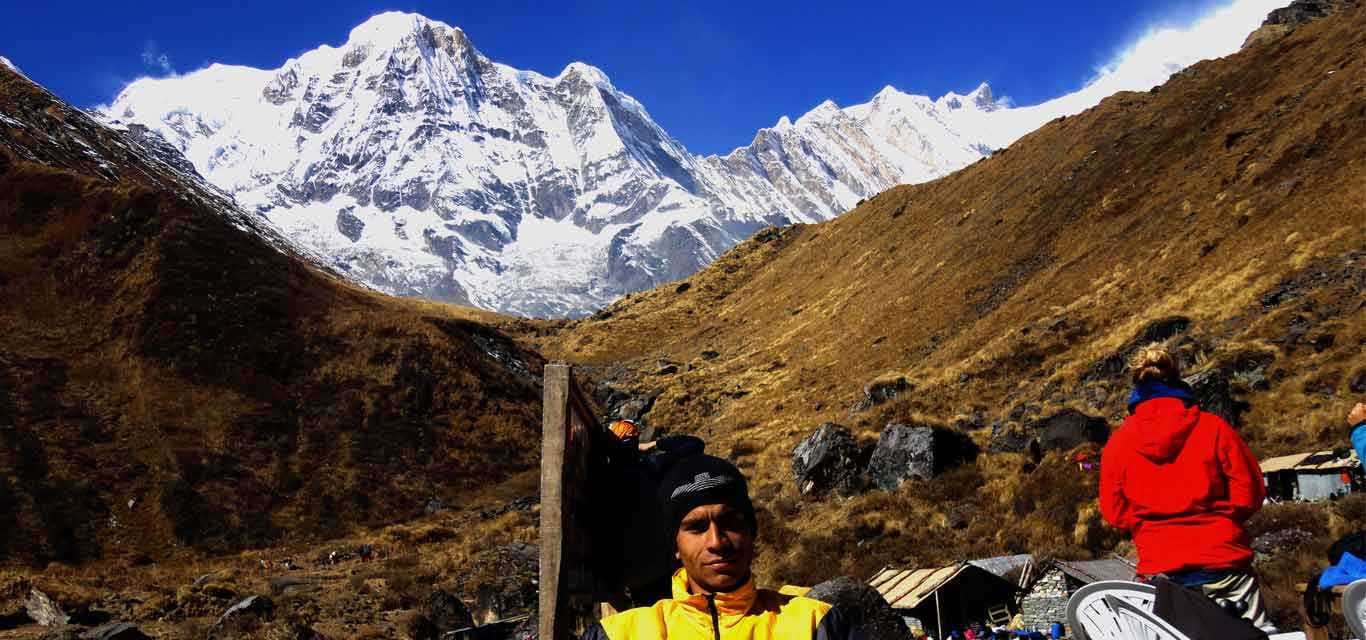
Is the Annapurna Base Camp Trek safe for solo female travelers?

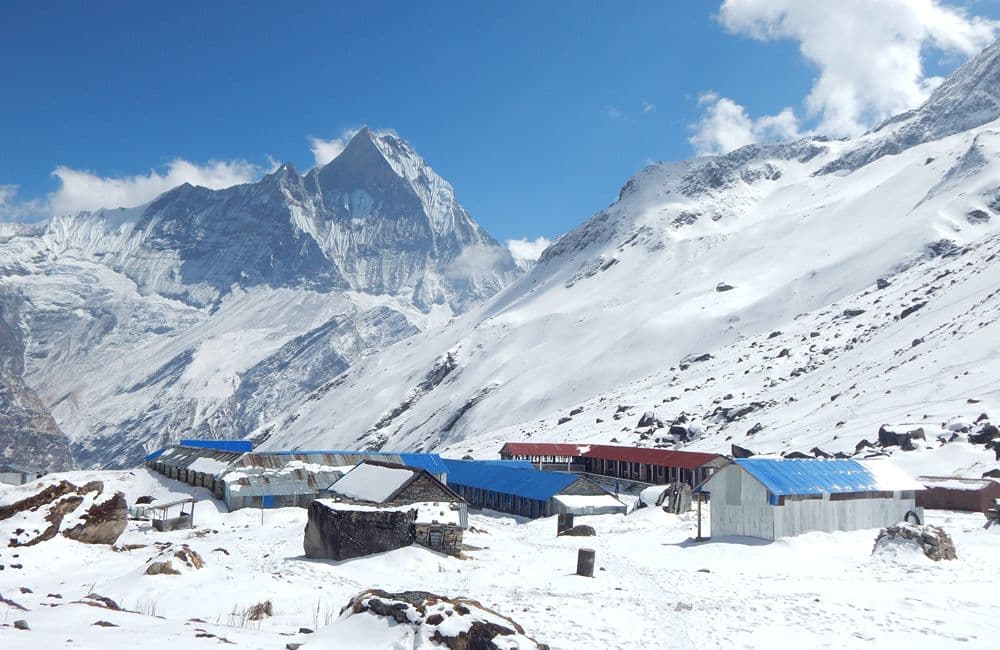
Is Annapurna Base Camp Trek safe for solo female trekkers?
The Annapurna Base Camp (ABC) Trek stands as a globally renowned trek. ABC presents spectacular sights and remarkable rewards to its explorers. So, the question is asked. Is the Annapurna Base Camp Trek safe for solo female travelers?
The prospect of hiking solo sends mixed feelings between excitement and worry, especially for independent female travelers.
Many individuals doubt their ability to travel solo to such distant destinations. Moreover, being in a foreign environment often triggers uncertainty about their safety.
Why Trek Annapurna Base Camp?
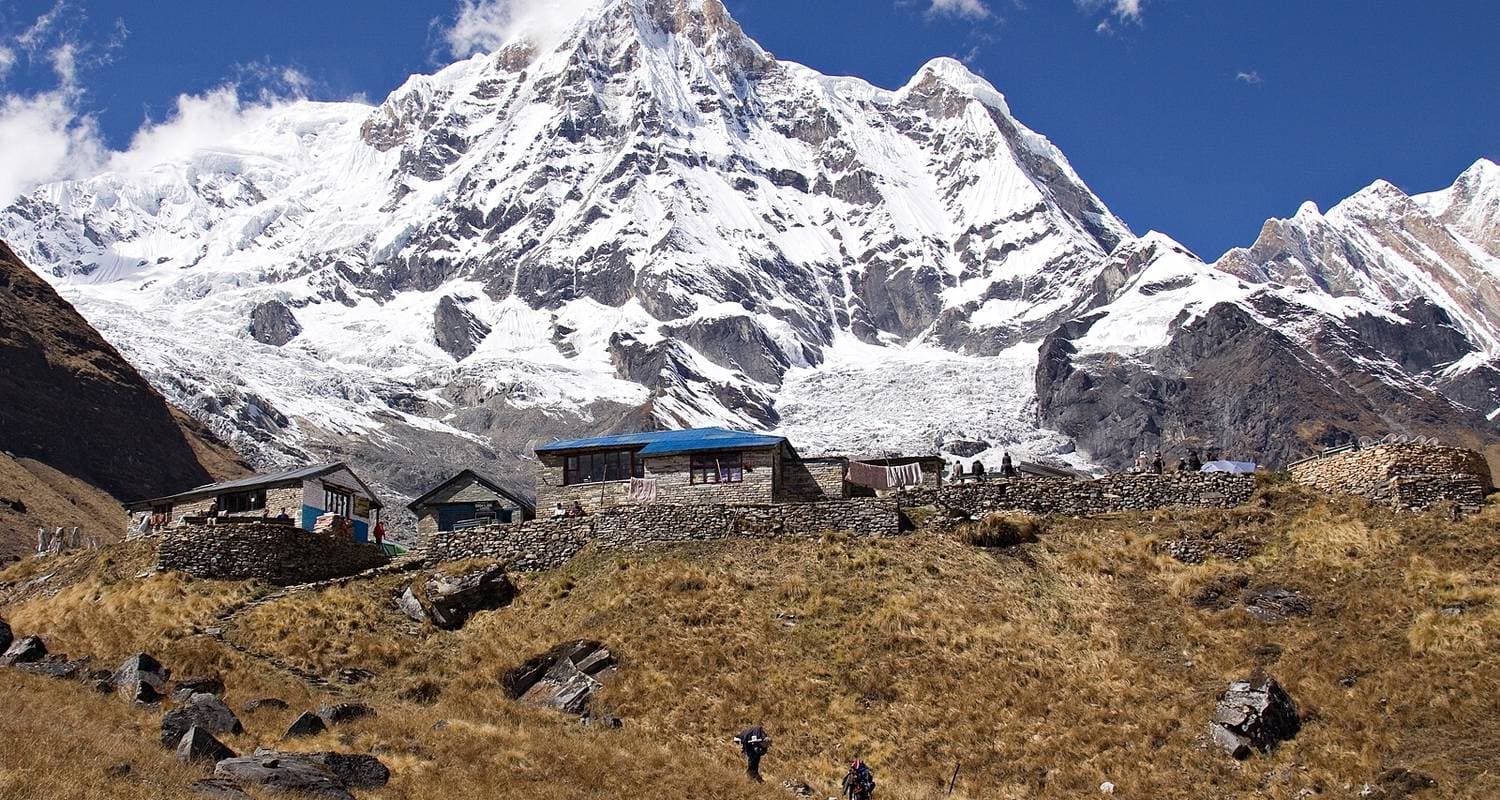
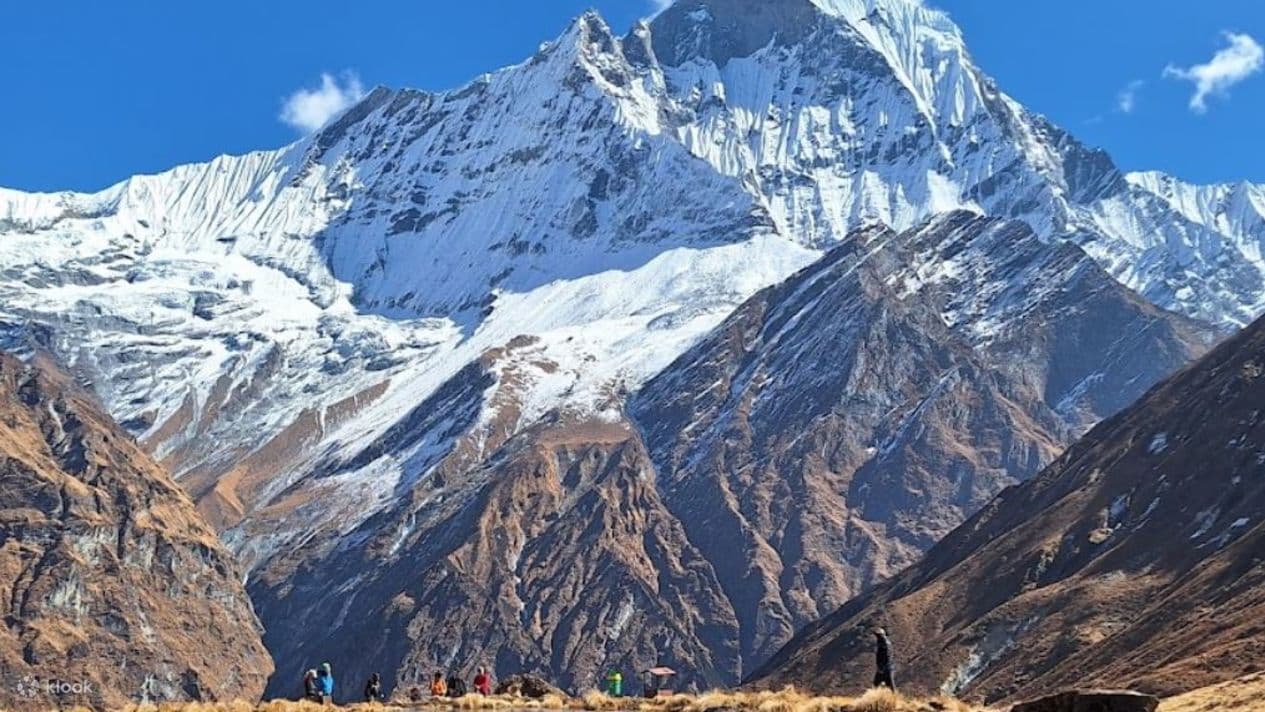
In the center of Nepal, the Annapurna Base Camp offers travelers many landscapes. It includes the mountain range's breathtaking views. Or visit charming villages, lush woodlands, and rough countryside.

The ABC trek provides a safe environment for independent female travelers. The majority of reports state it as a fact. Travelers worldwide have always found acceptance in Nepal.
Trekking communities are well-known for their kindness toward visitors. Many hiking groups move along this trail route, so solitude becomes a rare experience.
The trekking experience becomes more sociable than expected. You will meet numerous friendly locals and trekkers who share your love of adventure.
Trekking Solo: Freedom with Responsibilities
The freedom that comes with traveling solo includes necessary responsibilities. As such, one must always keep them in mind. Safety remains essential even when you walk a busy and marked hiking path.
To remain secure, travelers must select trustworthy teahouses for accommodation. They should walk with others at night and tell someone where they are going. Experienced female trekkers either hire guide services or porters. They provide better security.

It also enhanced enjoyment because such helpers provide safety measures. Not to mention, they provide local knowledge during trekking activities.
The ABC trek provides an enriching trip for solo female travelers. They encounter demanding aspects yet gain life skills during their adventure. The trek transforms into an adventure of self-discovery with a proper mindset. Moving forward, we will explore detailed security precautions.
How safe is Nepal for solo female travelers?
Nepal is among the safest countries in South Asia for solo female travelers. Female travelers who want to explore Nepal experience a risk-free environment. They find both welcoming local attitudes and diverse cultural attractions and outdoor opportunities.

Locals extend traditional Nepalese hospitality. Moreover, they aim to assist anyone visiting their country. Most solo female travelers report positive experiences when traveling in Kathmandu and Pokhara. These destinations host many other tourists.
Any travel destination requires us to remain alert and follow safety precautions. It's regardless of being by ourselves. People walking alone should choose well-lit and busy zones at night in urban regions.
There are risks involved when you visit populated minimalist regions or make trips to rural villages. This requires you to let someone know about your travel plans, as it adds an extra layer of safety and peace of mind.
Meeting new faces on your solo journey in Nepal
The trails in Nepal's Himalayan territories host active fellow trekkers. Yes, even in the Annapurna and Everest area. It forms a community bond that accompanies you throughout your journey.
The well-kept trails provide numerous tea houses you can use to relax and meet other people. Although solo female trekkers stay unharmed most of the time, it becomes a wise choice to hire a guide or porter. They can be of great help for navigation and assurance of your safety throughout the trek.
Dos and Don'ts on Solo Journey in Nepal
You should respect the Nepalese local customs of each area. Nepal is generally known for its safe environment. Wearing modest clothes protects you from unwanted attention, especially when you are in areas where customs require such practices.
Be mindful to follow your intuition. Whenever you feel unsafe anywhere in the world, you need to leave the place or get help. Yes, including locals or fellow travelers.

The city transport options are either taxis or buses. Yet, it is necessary to select reliable operators to prevent problems. Among cities like Kathmandu, riders can benefit from using apps for car booking. Such services enhance their safety.
Female solo travelers will experience safety while exploring Nepal's countryside. But they must show attention to their environment. Also, make smart choices about destinations and activities.
What does Nepal offer to Solo Female Travelers?
The country stands as a superb travel spot for unaccompanied female explorers, especially if they want exciting exploration. That, combined with traditional heritage, together with meaningful human interaction.

Travelers in Nepal can experience an array of activities. They can span from busy city exploration to peaceful hikes and still feel safe. Caution and situational awareness make Nepal an incredible place for single female travelers.
They will encounter stunning backgrounds and views. Likewise, travelers receive a welcoming reception from the locals. It will be an unforgettable experience.
Challenges during the Annapurna Base Camp Trek
The Annapurna Base Camp Trek is one of Nepal's most awe-inspiring hiking routes. ABC enables people to witness both natural landscapes with Himalayan magnificence.
High altitudes bring multiple hurdles to any adventure across this territory. During the ABC trek, trekkers take on many difficulties. It consists of altitude conditions, challenging terrain, unpredictable weather, and possible wildlife encounters.
ABC's High Altitude
The ABC trek poses high altitude as its primary problem for people who attempt this journey. The trek passes through 4,130 meters (13,550 feet) at the base camp. Some trekkers may develop altitude sickness.
The symptoms caused by altitude sickness include many things. You can face headaches, dizziness, breathing difficulties, nausea, and fatigue. Moreover, breathing difficulties become worse in severe cases.

Here are some tips for high-altitude trekking. It will help prevent altitude sickness, which requires you to control your pace. Take rest days while staying hydrated. Slowing down helps with the gradual process of adapting to reduced air pressure.
When moving higher in elevation, you need to pay attention to how your body feels. Rushing the ascent at that point becomes extremely dangerous.
Harsh Terrain is found in ABC
The ABC trek demands physical stamina from its trekkers. It targets individuals new to mountain hiking as well as inexperienced hikers.
The path holds difficult, steep terrain with rocks. That's not all. You also go through dangerous, narrow access paths. The way demands precise footwork.

Walkers should use trekking poles coupled with stable shoes. Loose stones and slippery ground exist along selected trail stretches. What's more, it becomes worse during the monsoon season.
Your legs and knees need to be physically prepared. The trek features significant uphill and downhill obstacles along the route.
Unpredictable Weather Awaits You in ABC
Altitude changes on the ABC trek lead to weather conditions that vary significantly. As such, the journey becomes more difficult.
The lower parts of the trail experience temperate warmth. Whereas higher elevations drop to freezing temperatures during night hours.
The trail becomes covered with snow during the winter months. And the monsoon season brings heavy rain, creating hazardous conditions. Dangerous landslides occur during the rainy season.

The Annapurna region holds ideal trekking conditions from March through May, Spring. Again, during September through November, Autumn, making the weather most conducive for hikers.
You need to prepare yourself for unexpected changes in the weather. You face hot and cold weather conditions while completing your trek.
Wildlife Encounters in the Annapurna region
The Annapurna region includes many different animal species. However, you will likely not spot them when you do the trek. The Himalayan tahr, wild boars, and many bird species live in the region. Some are at higher mountain elevations.

People who live in remote regions should maintain careful behavior. These animals prefer to stay away from humans. The trekking path occasionally includes stray dogs. Maintain appropriate space between you and them.
A guide to lead you and traveling with others helps reduce wildlife encounters. Staying with a group ensures your safety throughout the hike.
Face the Challenges:
The Annapurna Base Camp trek draws numerous travelers despite facing various obstacles. As a trekker, be ready for altitude challenges.
You will travel through rough terrain. Likewise, face extreme weather. Moreover, have animal encounters. This allows you to have an enjoyable and secure Himalayan trekking experience.

Successful ABC trekking delivers unforgettable Himalayan views. It is a rewarding moment possible through appropriate mental readiness. Also combined with preparedness and suitable mountaineering equipment.
Is ABC solo trekking recommended for female travelers?
Female travelers hiking Annapurna Base Camp by themselves will find satisfaction. It's also about exercising proper planning and safety precautions.
Several solo trekkers, including women, complete the Annapurna Base Camp trek. It is an established trail system that combines with the supportive trekking community. Travelers can get a safe, comfortable journey in ABC. But their expedition needs to check and rank certain elements.

The ABC trial shows clear markings from its high traffic by other trekkers. Yet solo female trekkers need to maintain their safety status first. Seeking guidance from a porter or guide stands as the best practice for independent trekkers. Especially, they lack experience in solo hiking.
They provide direction alongside navigational support as well as assistance in unexpected incidents. When traveling through the tea houses, you can feel safe. But having someone with you will give you security. It also increases your hiking enjoyment.
Altitude Sickness Concerns During Solo Treks
Getting ready for altitude changes, along with physical demands. It stands as a vital aspect, as they become harder to handle when traveling without others. Altitude sickness becomes a concern when traveling solo.
The trek traverses high elevations where anyone can develop symptoms. So, maintain a steady pace while hydrating properly. Add frequent rest days as required.

Solo trekkers need to recognize their health conditions. Also, understand necessary rest periods or help requirements, especially during the independent journey.
Female Travelers Can Journey Solo
Nepal presents a secure travel environment to female tourists. Yet careful observation of your environment and applying normal safety measures remains vital. Best to follow the combination of:
Modest attire
Avoiding after-dark isolated areas,
Family or friends check in on your plans
They maintain your safety throughout your travels. The ABC trek can be completed safely by female travelers. But they must remain vigilant about their safety throughout the journey.
Solo female trekkers' common concerns during the ABC trek
Solo female trekkers on the Annapurna Base Camp trek do have some reservations. They are mostly on safety, arrangements, and general trekking experience.

The ABC trek is well-established and standard. One can't help but worry about traveling alone to a far-flung hill region. Taking some precautions against these worries makes for a trouble-free and enjoyable outing.
Safety and Harassment
Personal safety and unwanted attention are the greatest concerns for solo female travelers. Nepal itself is safe for women. The locals are polite and friendly. But on some less-frequented trails, instances of harassment have been reported.
To avoid these risks, staying in popular teahouses is advisable. It is best not to trek isolated areas alone, and when engaging with strangers, be careful. Trekking with a guide or in a small group even carries an aspect of safety with it.
Altitude Sickness
The ABC trek reaches a height of 4,130 meters (13,550 feet). Symptoms such as headaches, dizziness, and nausea affect their fitness level.
Female solo trekkers can be even more careful by ascending gradually. They need to drink enough water and know when to pause or descend if symptoms are growing. Having essential medications and a list of contacts in one's pocket comes in handy, especially in the event of unexpected medical issues.
Navigation and Getting Lost
The ABC trail is well-marked and traversed, but solo trekkers will still worry about getting lost, especially in adverse weather or lesser-known sections. The trail is generally uncomplicated. You might take an occasional detour from fog or snow can have you with navigation issues.
It is recommended to bring a good trekking map. You can stock up on offline navigation apps. When taking directions at teahouses, you can prevent getting lost. Having a local guide may also be a source of added comfort. Moreover, particularly useful for those inexperienced in trekking.
Accommodation and Personal Space
Finding safe and cozy lodging is also a concern for solo female trekkers. Welcoming teahouses line the ABC route. Moreover, most of them are accustomed to hosting solo female travelers. Choosing top-rated lodges with good security is always best.
When possible, take a private room for added privacy. And where feasible, ensure doors have in-house locks. Assertive yet respectful boundaries when meeting other trekkers or lodge workers. It can also be personal comfort. Click on Accommodations in Annapurna Base Camp for an in-depth blog.
Solo Trekking vs. Hiring a Guide
The majority of solo female trekkers consider whether to trek ABC alone or hire a guide. Solo trekking offers freedom and satisfaction. But hiring a guide enhances security, provides cultural enrichment, and streamlines logistics.
Guides may assist in choosing routes, booking accommodations, and emergency management. Thereby streamlining the trip. Hire from a credible, licensed guide from a registered trekking company. It ensures a professional and respectful trekking experience.
What are the advantages of solo trekking in the Annapurna?
Solo female traveling through the Annapurna region provides distinct benefits. It enhances the whole experience. The practice of trekking alone needs special planning with careful steps. But allows participants to gain freedom while finding themselves and experience adventure.

Going solo on treks turns out to be more enjoyable. If individuals maintain personal control of their journey. It makes independent decisions during the trek.
The Journey offers total liberty because you decide when to begin and end the Trek.
You Control Each Decision Without Condemnation from Your Travel Companions.
Self-trust and resilience develop through the process of trial navigation.
Life decision-making and challenge management in a solo setting.
Being close to nature offers mountain tranquility that lets you hear wilderness sounds.
Solo trekking in ABC remains undistracted in the experience.
Interaction with locals and teahouse owners offers genuine Nepali cultural traditions.
You control your budget better as you pick dining options and accommodations.
You can pick trails, meals, and accommodations that match your spending preferences.
The time spent at beautiful locations and rest stops exists on your terms.
Solo trekking creates a peaceful backdrop.
It lets you develop mental clarity and conduct deep reflections about yourself.
As you reach the trek's end all by yourself, the accomplishment creates deep pleasure. It enhances the entire experience.
Additional tips to consider while trekking solo
Plan Your Route & Itinerary –
Research the trail and important stops combined with the daily hiking duration. It minimizes the chance of getting lost and excessive fatigue. Establishing a detailed plan lets you organize when you need to rest.
It also guarantees you find protected sleeping locations before the sun sets. The security of your plans requires you to share your trekking information.
Start Your Trek Early Each Day –
Daily trips should begin early. They enable you to finish your journey safely before dark arrives.
You will encounter better weather during daytime hours. Trekking in darkness poses safety risks. Making an early start offers enhanced flexibility. It enables you to deal with unforeseen waiting periods.
Book Accommodations in Advance During Peak Seasons –
You should book your accommodations in advance. The Annapurna trek region experiences heavy trekker traffic during the spring and autumn.
Without prior booking, the availability of rooms in full-service teahouses becomes challenging. The amenities get occupied quickly by trekking groups. When you book lodging in advance, it assures you a suitable rest at every stop of your journey.
Stay Hydrated & Eat Nutritious Meals –
High-altitude trekking raises the chances of both dehydration and altitude sickness. It is due to the demanding conditions. Keep yourself hydrated with water intake through a reusable bottle. Use purification tablets if the water supply requires treatment.
Eating reasonable quantities of carbohydrates present in dal bhat alongside soups and proteins. This ensures your strength and endurance remain stable.
Pack Smart & Travel Light –
Select only basic necessities for your pack since overloading leads to physical strain. A backpack made for proper weight distribution across.
Its body and correct fit help to minimize discomfort as you walk for long periods. The combination of suitable clothing layers. Wearing appropriate trekking boots simplifies the mountain trip.
Be Cautious of Altitude Sickness –
The onset of altitude sickness symptoms, such as dizziness and headaches. Nausea should be monitored by travelers who climb above 3,000 meters. When experiencing altitude sickness symptoms, you should slow the pace of your trek.
Take brief rests, then descend immediately if symptoms intensify. Travelers must possess altitude sickness medication, including Diamox. Understand the timing to request professional assistance.
Trust Your Instincts & Stay Alert –
Safety during solo trekking depends on recognizing your surroundings. You need to stay out of dangerous scenarios. Trust your instincts whenever something seems wrong. No matter what the situation is.
Avoid strange trails or unsettling behavior from strangers or unsecured lodges. The best way to prevent issues is by using established trails. Spend the night in qualified teahouses.
Connect with Other Trekkers & Locals –
Being solo means you maintain your independence. But hanging out with fellow trekking peers, along with local friends. It greatly improves your overall adventure. The interaction with fellow hikers allows you to get trail information. They also share safety recommendations and motivational discussions.
The people who live in those areas will provide valuable information. They share optimal pathways, along with weather forecasts and suitable housing options.
Carry a Map, Compass, or GPS Device –
Remote mountain regions do not provide reliable cell phone coverage. As such, hikers need navigation assistance tools.
The offline map downloads or physical maps are necessary to prevent getting lost. You can monitor your route with either GPS equipment or use the Maps.me trekking program.
Respect Local Culture & Environment –
Local customs require you to dress modestly. Also, offering greetings through a friendly "Namaste" displays respect to the region's people. Proper waste disposal, together with the avoidance of plastic products. It ensures the protection of Annapurna's natural landscapes.
Harboring responsible behavior on treks establishes beneficial experiences for trekkers. It also helps the local communities they encounter.
Have a Backup Plan for Emergencies –
Unforeseen circumstances may develop while you trek independently. They may include injuries, poor weather, and physical fatigue.
Pack a first aid kit, combined with emergency contact information and sufficient cash. Mountain areas lack sufficient ATMs. Urgent safety requires knowledge about which nearby villages hold medical facilities. They also hold an evacuation point.
Consider Hiring a Guide or Porter if Needed –
The services of a guide or porter ensure your safety and navigation support. Besides, they help you with your heavy luggage even when you trek by yourself. Local professionals who guide through culturally rich regions.
They guarantee security and additional knowledge during the trek. It is beneficial to maintain a connection with fellow trekkers. Walking completely alone on the trail.
Solo trekking women can enjoy a transformative Himalayan trek. All you need is precise planning and attentiveness. All you need is unwavering belief in their abilities.
Conclusion
Solo trekking in Annapurna Base Camp gives a chance to discover enchanting sights. A chance to experience local traditions while earning deep satisfaction.

Building adequate preparation with risk awareness. Add it with sound decision-making. With them, improve both the safety and enjoyment of the adventure.
Solo female trekkers will find open hospitality in Annapurna. They prepare themselves and follow their instincts through each step. Solo female trekkers can journey with steadfast confidence.
FAQs
1. Can a single female traveler safely complete the Annapurna Base Camp trek?
Single female trekkers may find Annapurna Base Camp safe when they follow standard safety measures during the trek. Your trek will be both safe and pleasant when you plan properly along with watching your environment and choosing established teahouses for accommodation.
2. Does the Annapurna Base Camp trek present difficulty for someone traveling alone?
Climbing to Annapurna Base Camp poses difficulties due to altitude and the diverse landscape. Most individuals with fundamental hiking expertise and adequate gear preparation, along with a steady pace, can handle this trek as a solo trekker.
3. For Annapurna solo trekking, which items must I bring?
Bring only light travel items that fulfill essential needs which include an insulated sleeping bag, adaptable clothes, hiking shoes with good comfort and support, water purification tools, and a medically prepared first aid kit. Layers of clothing packed for cold conditions should be combined with a durable backpack that fits well to ensure comfort.
4. Is it possible to hike solo to Annapurna Base Camp without support from either guides or porters?
You can independently trek to Annapurna Base Camp because there are no requirements to employ a guide or porter for this journey. All paths within the route receive clear markers, allowing numerous independent solo trekkers to find their way safely. If you want extra safety together with cultural understanding, you should hire a local guide, but you can also do the trek independently.
5. What precautions should I take to protect myself from altitude sickness during the Annapurna Base Camp trekking?
Using a steady pace while acclimating along the trek route, together with proper hydration, helps prevent altitude sickness. Rapid descent and medical help must be obtained when experiencing altitude sickness symptoms, including dizziness or nausea.
6. Does the ABC trek offer Wi-Fi services and mobile network connections?
The mobile network exists within certain teahouse locations through the trail, although the signal quality becomes weaker while climbing higher altitudes. Travelers should obtain a local SIM card, yet avoid depending on it for emergency aid or route navigation.
7. When is the ideal period for the individual Annapurna Base Camp trekking?
Trekking to Annapurna Base Camp should be done during the spring months of March through May, and the autumn season from September to November. The trail remains stable throughout these months because the weather stays steady while precipitation and snowfall avoid the path.
8. Are there other hikers active in Annapurna Base Camp during solo travel?
The Annapurna Base Camp trail receives many visitors each season which means encountering fellow trekkers becomes common. It brings reassurance when doing solo trekking because you can encounter fellow walkers who can provide support during any challenging moments.
9. What steps should I follow during emergencies when trekking by myself in Annapurna?
Travelers should pack a first aid kit alongside learning the locations of nearby evacuation points because emergencies might occur. Before setting off on your trek, you should provide your itinerary to someone along maintain emergency contacts accessible.
10. Are there acceptable accommodations available for people trekking alone?
Numerous teahouses and lodges serve the Annapurna Base Camp route by providing warm meals, comfortable bed accommodations, and essential facilities. The convenience, along with security features and social aspects, attracts solo trekkers to use teahouses.
Read more blogs